
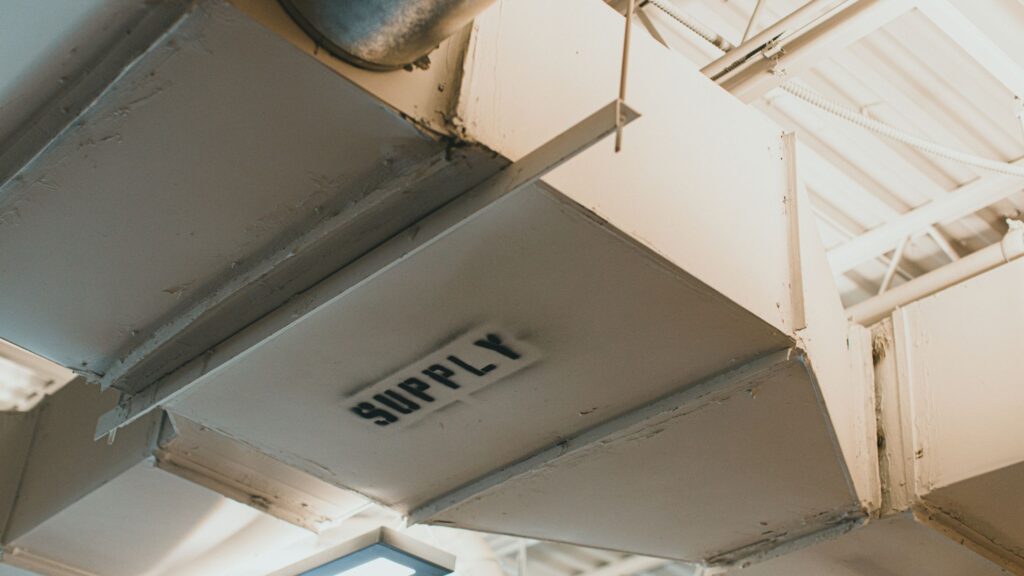

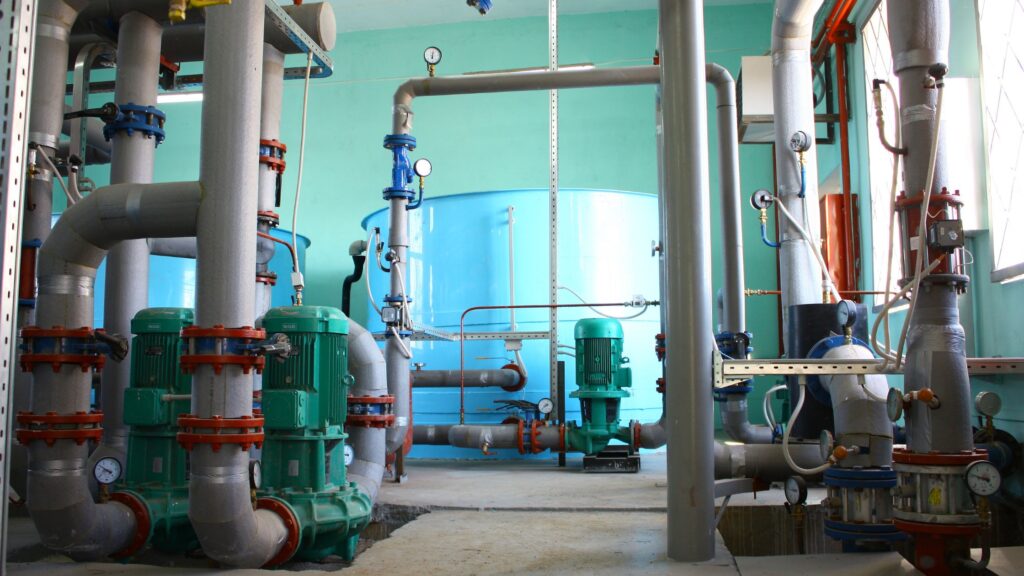
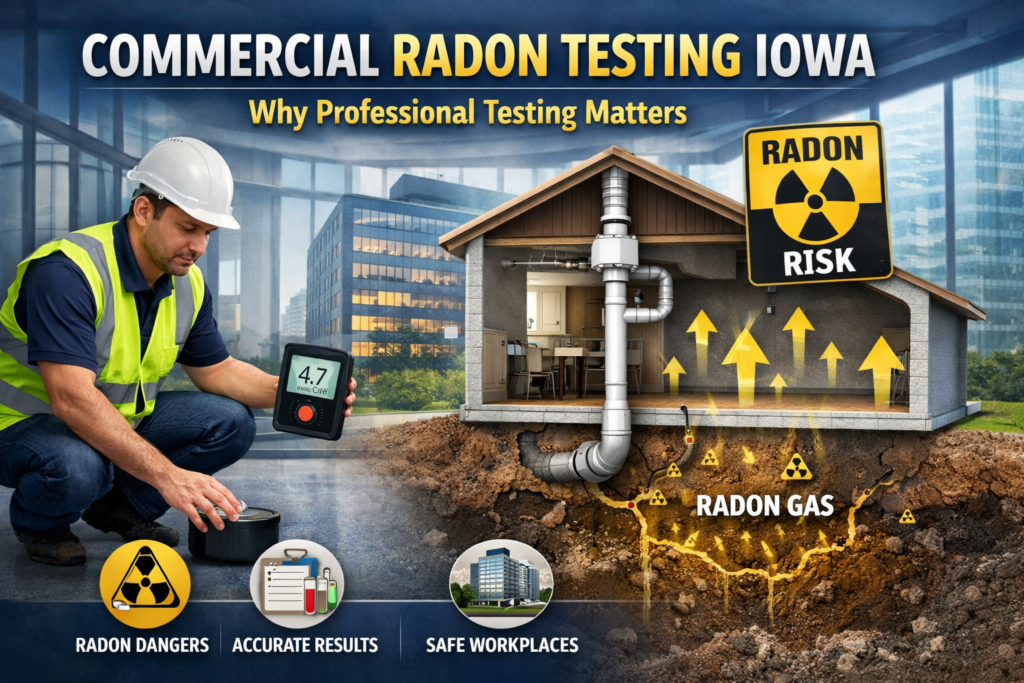
A radon system works only when it maintains steady airflow and negative pressure under the foundation, pulling soil gas into the vent and exhausting it outside. That’s why radon system airflow optimization matters after installation, after home changes, or when readings rise. Stable airflow removes radon at the source, keeps results consistent, and protects indoor air. Even small airflow drops can raise indoor levels, so regular checks help you catch issues early. Additionally, optimization keeps the system reliable through weather shifts and HVAC pressure changes.
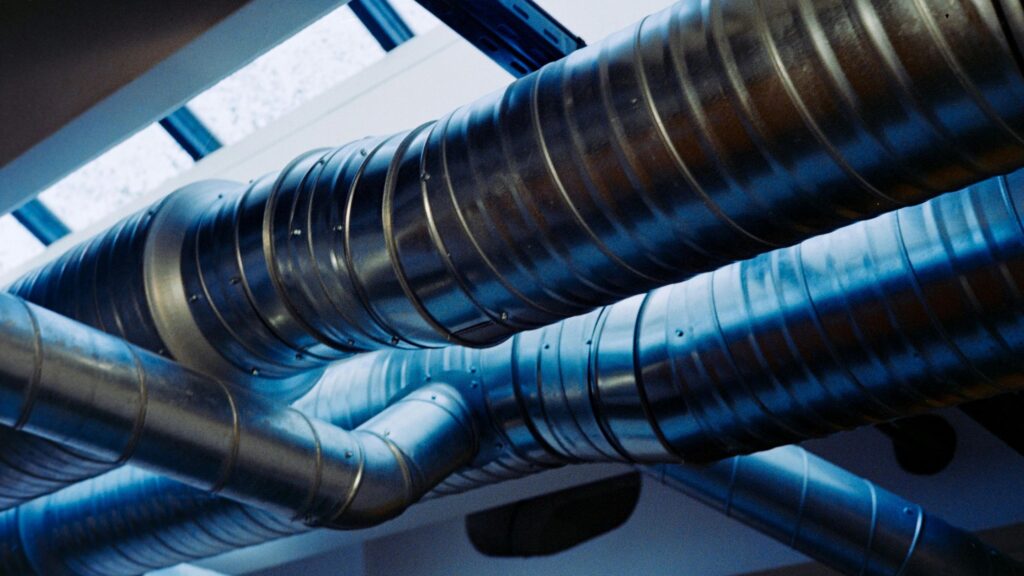
Airflow Optimization Explained
A radon mitigation system works like controlled suction. It creates lower pressure under the slab or membrane, so soil gas moves into the pipe network instead of into your home. Therefore, radon system airflow optimization focuses on three outcomes:
- Stable suction under the foundation (not just occasional pull).
- Efficient pipe flow (minimal resistance, fewer weak spots).
- Safe exhaust routing (radon exits above the roofline and stays out).
When these three outcomes align, the system performs consistently, even during weather swings and HVAC changes.
Common Causes of Airflow Loss
Many homeowners assume the fan “either works or doesn’t.” However, airflow can weaken without a complete failure, and small changes can still raise readings. Common causes include:
- New air leaks or unsealed openings around sump lids, slab joints, and utility penetrations.
- Pipe restrictions from poor routing, extra elbows, or blockage risk.
- Fan wear or wrong fan sizing for the foundation type and suction needs.
- Home pressure shifts from exhaust fans, fireplaces, dryer use, and tighter winter living.
- Foundation or drainage changes after repairs, finishing a basement, or adding a sealed floor layer.
DSM Radon’s guidance often stresses inspection and aftercare, including checking piping and fan performance over time, because these factors directly affect system efficiency.
Verify With Tests and Indicators
Before you change anything, you need a clear baseline. So, use one of these approaches:
- A short-term test when you need a quick snapshot
- A long-term test when you want a better average across weeks or months
- A continuous monitor when you want trend awareness and quick feedback
Check the system’s basic “health signals” using a visual indicator like a U-tube manometer. If the indicator shifts suddenly, it likely means changes in airflow or suction, and you should retest and inspect instead of ignoring it. Professional radon testing is the most reliable way to confirm the impact of these airflow changes.
Steps That Improve Airflow
Use this order because it prevents guesswork and avoids random tweaks.
A) Protect Suction Paths by Sealing Key Areas
Sealing does not replace mitigation, but it improves performance and stability. So, seal the openings that “short-circuit” suction, such as:
- Sump pit lids and pipe penetrations
- Slab cracks and slab-to-wall joints
- Open gaps around plumbing and conduit
Additionally, sealing can reduce the amount of indoor air the system pulls, which helps the fan spend its energy pulling soil gas instead. Many radon mitigation guides emphasize sealing as a support step that improves overall system results.
B) Reduce Pipe Resistance to Strengthen Airflow
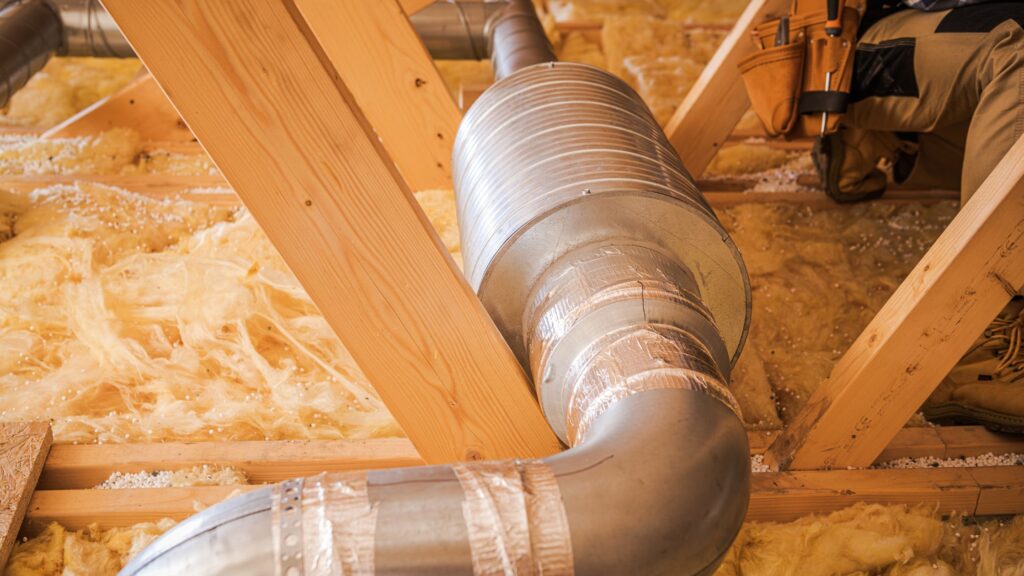
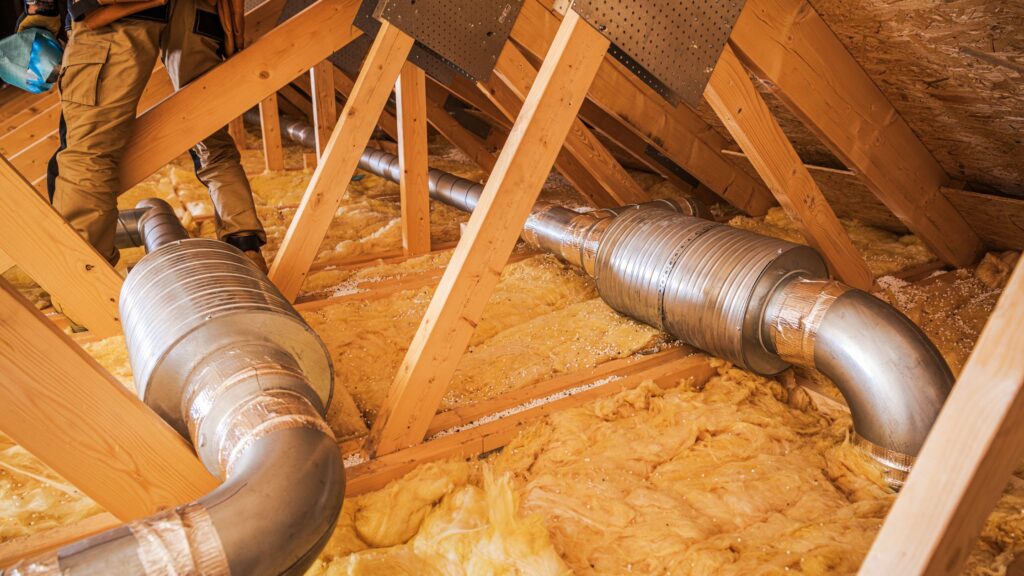
Airflow suffers when the pipe layout fights the fan. Therefore, keep routing simple and direct. When you see excessive bends, long horizontal runs, or questionable terminations, you should correct them. Also, you should confirm the exhaust point stays clear and vents above the roofline, because poor termination can reduce performance and raise re-entry risk.
C) Match the Fan to Real Suction Needs
A fan choice must match the foundation type, soil conditions, and suction point performance. If the system pulls too weakly, radon can still enter through hidden gaps. Conversely, if the system pulls too aggressively, it can waste energy and stress components. Therefore, radon system airflow optimization often requires fan evaluation, not just fan replacement.
D) Fix Weak Suction Zones With Better Collection
Some homes need more than one suction point, especially when the slab sits over complicated footings or dense fill. So, if tests show persistent hotspots, a contractor can adjust the collection point strategy and piping path to spread suction more evenly. This step matters because uneven suction creates “safe rooms” and “problem rooms” in the same house.
E) Use a Membrane-First Plan for Crawlspaces
Crawlspaces need a different airflow approach. Instead of pulling under a slab, the system typically draws from beneath a sealed membrane. Consequently, the membrane quality and edge sealing directly influence airflow effectiveness. DSM Radon also describes sub-membrane suction as a key crawlspace method because it targets soil gas at the source.
When you follow steps A–E in order, you build stronger suction, smoother airflow, and more consistent radon reduction across every foundation type.
Habits That Affect Radon Levels
Even with good hardware, pressure changes can shift radon entry. Therefore, treat your house like an airflow system, not just a structure.
- Use exhaust fans wisely during long showers or cooking.
- Keep appliances and fireplaces venting properly.
- Run HVAC circulation to reduce stale basement air.
- Retest after major home changes or new exhaust devices.
These habits do not “solve” radon, but they can support radon system airflow optimization by reducing sudden pressure swings that fight the mitigation system. Learn more about A Guide to Radon Safety After Your HVAC Upgrade.
Signs You Need a Professional
You should bring in a certified radon professional when:
- Your readings rise despite basic sealing and stable living habits.
- Your system indicator changes suddenly or repeatedly.
- You suspect poor pipe routing, weak suction zones, or wrong fan sizing.
- You need crawlspace or multi-foundation design adjustments.
- You want documentation and confidence for real estate or compliance needs.
Professional providers also handle both residential and commercial environments, including schools and multifamily projects, which often require tighter process discipline and verification.
Conclusion
When you prioritize radon system airflow optimization, you turn a “one-time install” into a dependable long-term protection system. You improve suction stability, reduce pipe resistance, manage home pressure shifts, and verify results with retesting. As a result, your readings stay more consistent, and your indoor air stays better protected year-round. If you want expert testing, mitigation, and ongoing system support, contact DSM Radon.