



Radon gas is a serious health concern for many homeowners, but fortunately, radon mitigation systems can help reduce the risks. A crucial part of these systems is the radon manometer, a device used to measure the suction pressure in your radon mitigation system. Understanding how to read your radon manometer effectively is essential to ensure that your system is functioning properly. In this guide, we’ll walk you through how to properly check your manometer, what different readings mean, and what to do if the system isn’t working as it should.

What is a Radon Manometer?
A radon manometer is a simple yet critical device used in radon mitigation systems. It measures the pressure difference in the system, specifically indicating the suction power created by the fan. While the manometer does not measure radon levels directly, it serves as an important indicator that your radon mitigation system is functioning as it should.
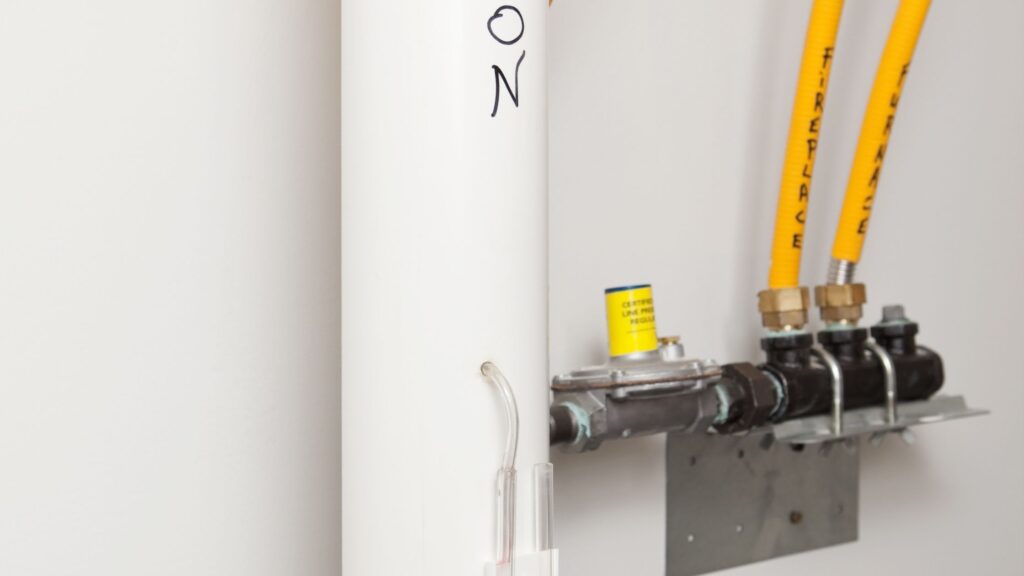
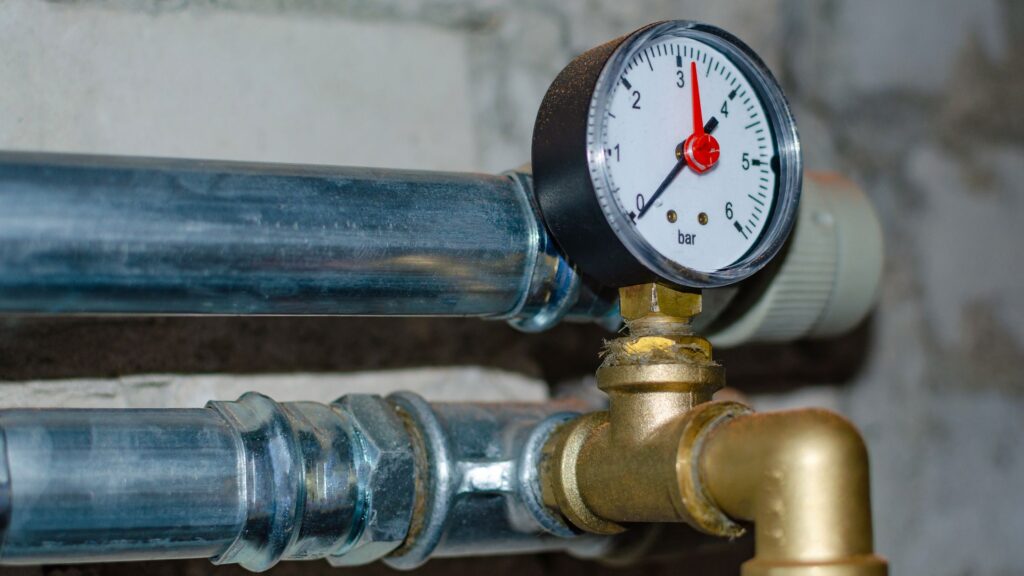
There are two common types of manometers: U-tube manometers and dial manometers. The U-tube manometer is a glass tube filled with liquid, with one end connected to the radon suction pipe and the other open to ambient air. The dial manometer has a needle or dial indicating suction pressure. Both types provide essential information about the operation of your radon mitigation system.
What Your Radon Manometer Reading Indicates
Understanding your radon manometer reading is essential for ensuring your radon mitigation system is functioning properly. Here’s what each reading means:
- Normal Reading: A reading in this range means the system is functioning properly with adequate suction. The system is effectively venting radon from your home.
- Low Reading: A low reading indicates weak suction, possibly due to a failing fan, leaks, or blockages. This can lead to higher radon levels, requiring immediate attention.
- Zero or Equal Fluid Levels: If the fluid levels match or read zero, the system isn’t working—usually due to fan failure, power loss, or a broken suction pipe.
- High Reading: A high reading suggests the system may be overworked, possibly due to blockages or a malfunctioning fan. It can lead to inefficiency and increased system wear.
Regularly monitoring your radon manometer reading is crucial for maintaining the efficiency of your radon mitigation system.
Step-by-Step Guide to Checking Your Radon Manometer
Regularly checking your radon manometer ensures your radon mitigation system is functioning properly. Here’s a quick guide to help you monitor your system:
a) Locate the Manometer
Locate the manometer, typically installed on the pipe connected to the radon system’s fan. It may also be mounted on the suction pipe or near the venting system. Ensure it’s easily visible and accessible for regular checks.
b) Check the Fluid Levels
If you have a U-tube manometer, observe the two columns of liquid. One column connects to the suction pipe, and the other is exposed to air; the height difference indicates the suction power. Higher liquid levels on the suction side mean stronger suction.
c) Interpreting the Dial
For dial manometers, check the needle pointing to a number, usually in inches of water column. A reading between 0.5 and 1.75 inWC indicates proper suction. Ensure the reading stays within this range for optimal system performance.
d) Compare Readings with Baseline
Your technician likely recorded a baseline reading when the system was installed. Compare the current reading to this baseline, as significant deviations could signal issues like weak suction. Any major change warrants further investigation.
e) Record the Reading
Make it a habit to check the manometer regularly, ideally monthly or quarterly. Record the readings in a log to monitor any fluctuations. If a significant change occurs, it’s time to call a professional for a system inspection.
Checking your radon manometer regularly ensures your mitigation system is operating efficiently. Learn more about Radon Mitigation System Cost to Install.
Troubleshooting Common Radon Manometer Issues
If your radon manometer shows unusual readings, follow these simple steps to resolve the issue:
- If the reading is zero, check the fan’s power source. It may be a power outage or unplugged connection.
- If suction is weak, inspect the system for leaks, as they can affect efficiency and the manometer reading.
- If the reading is low or zero, the fan may be malfunctioning. An old or noisy fan might need replacement.
- If the issue persists, contact a professional to assess and repair the system.
Regular checks and quick troubleshooting can help maintain your radon system’s efficiency.
Conclusion
Reading your radon manometer is a simple but essential task in ensuring your home remains safe from radon exposure. By regularly checking the readings, keeping track of any changes, and addressing issues promptly, you can ensure your radon mitigation system operates efficiently. If you notice any irregularities or if the system isn’t working as it should, don’t hesitate to contact the professionals at DSM Radon for expert radon mitigation services and support.
FAQs
1. How often should I check my manometer?
It’s recommended to check your manometer at least every 3–6 months, or sooner if you’ve noticed any changes in your home’s ventilation or structure.
2. What if my manometer reading is zero or shows equal fluid levels?
This usually means that the fan is not working or there’s a blockage in the system. Check the power and inspect the system for leaks or damage. If the issue persists, call a professional.
3. Can I rely on the manometer alone to ensure low radon levels?
No, the manometer only indicates whether the mitigation system is working. You should also conduct regular radon tests to measure radon concentration in your home.
4. When should I contact a professional for radon system repairs?
If the manometer shows low suction or zero readings despite troubleshooting, or if you experience significant changes in readings over time, it’s time to contact a professional radon mitigation expert.