
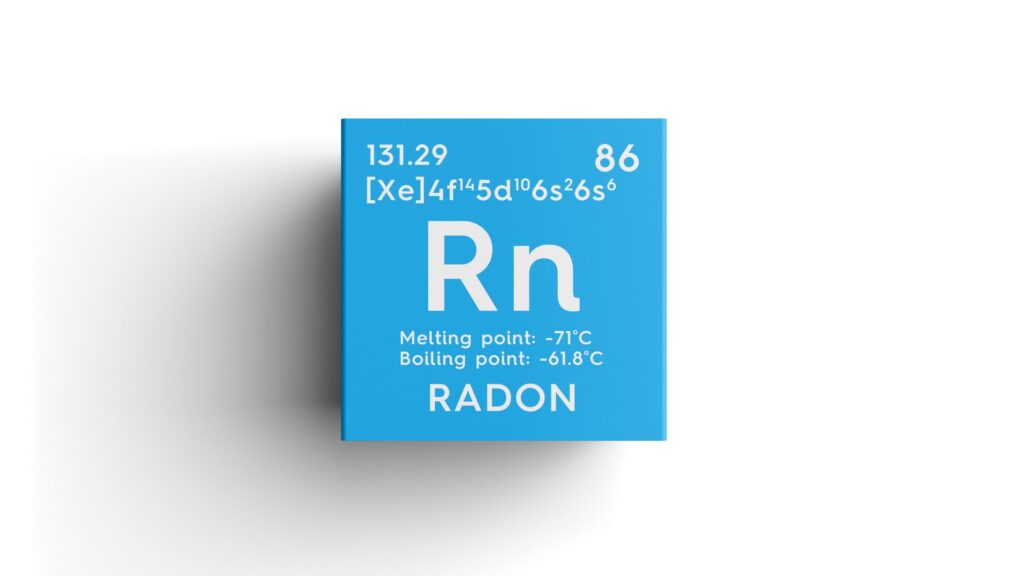
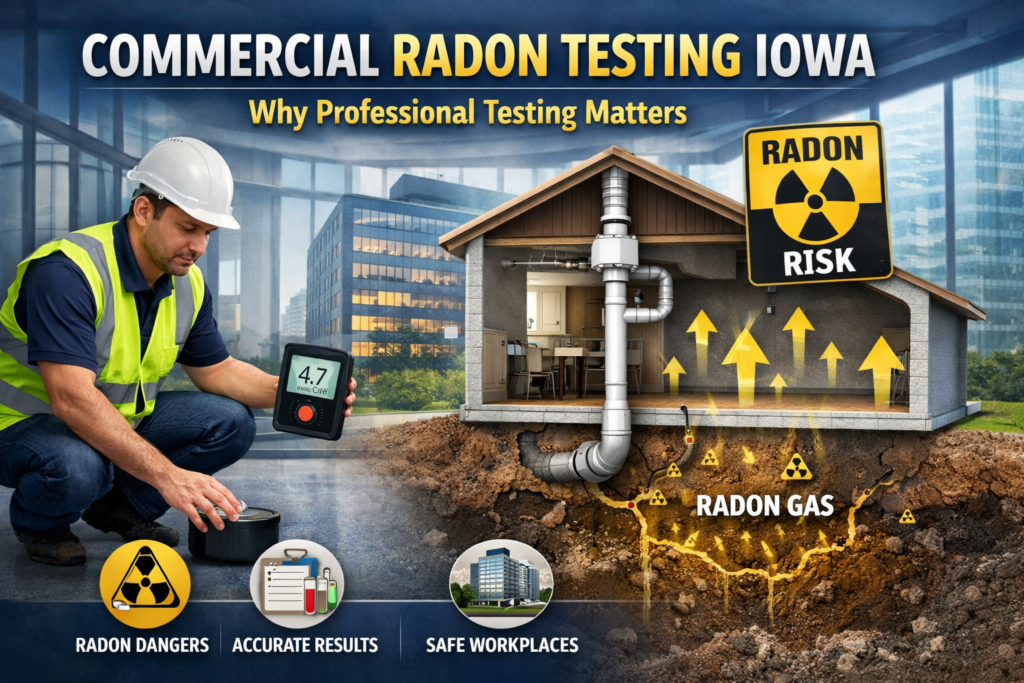


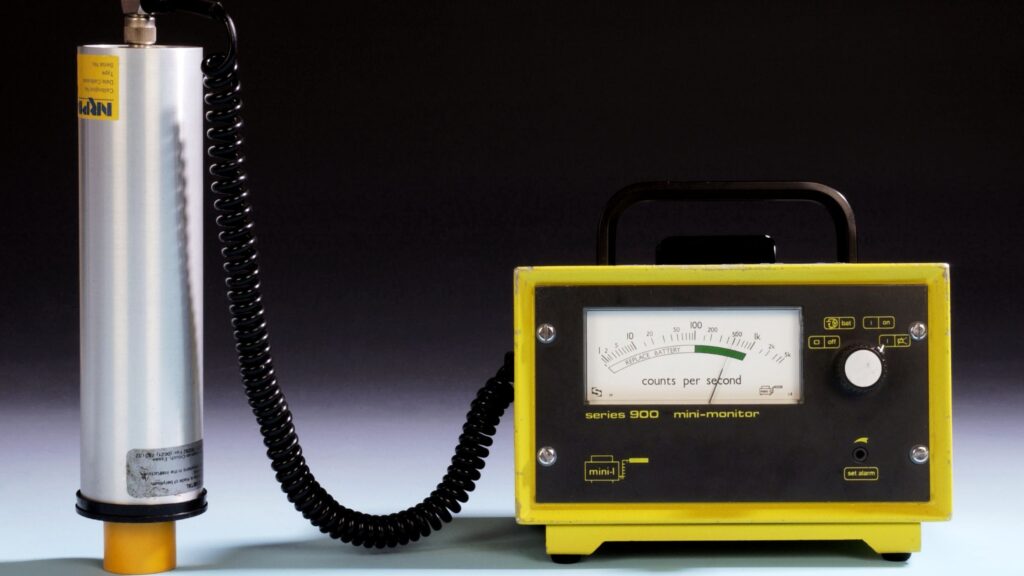
Radon is a naturally occurring gas that can seep into homes and pose serious health risks. It is the second leading cause of lung cancer in the U.S., making radon testing essential for every homeowner. Because radon is invisible and odorless, the only way to know your home’s levels is through proper testing. Even newer or well-sealed homes are not automatically safe, as radon can enter through tiny cracks and gaps in the foundation. When testing for radon, the timing of your test is just as important as the accuracy of the measurement. But what’s the difference between short-term and long-term radon tests? Let’s break down both options and help you decide which test is best for your home.
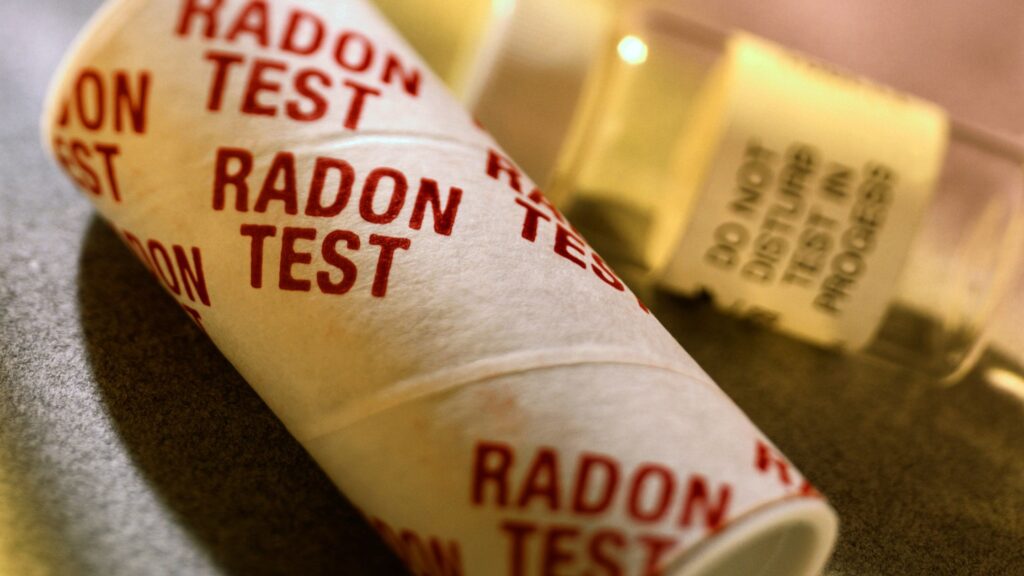
What Are Short-Term Radon Tests?
Short-term radon tests are designed to give you a quick snapshot of your home’s radon levels over a brief period. These tests typically last anywhere from 2 to 90 days, with the most common duration being around 2 to 7 days.
Pros of Short-Term Tests
- Quick Results: If you need results fast, short-term tests are the way to go. You’ll get an immediate sense of whether your home has radon levels that exceed the EPA’s recommended threshold of 4.0 pCi/L.
- Easy to Use: These tests are generally simple to set up and don’t require professional assistance. You can purchase them at most hardware stores or online.
- Great for Initial Screening: Short-term tests are often used for an initial screening to determine if you need to take further steps, such as installing a radon mitigation system.
Cons of Short-Term Tests
- Less Accurate Over Time: Radon levels fluctuate throughout the year, and short-term tests can be affected by weather, ventilation, and other variables. The results may not represent the average radon level in your home.
- Cannot Capture Seasonal Variations: Radon levels tend to be higher in colder months due to closed windows and less ventilation. A short-term test may miss these seasonal variations, leading to inaccurate readings.
Short-term radon tests are great for quick screening, but you should confirm any high or borderline result with a long-term test or professional check.

What Are Long-Term Radon Tests?
Long-term radon tests, on the other hand, are designed to measure radon levels over a period of at least 90 days, often up to a year. These tests provide a more comprehensive view of the radon levels in your home over time.
Pros of Long-Term Tests
- More Accurate: Long-term tests provide a clearer picture of your home’s radon exposure, as they measure levels over a longer period. This reduces the impact of temporary fluctuations, such as weather changes.
- Better Understanding of Average Levels: Since radon levels vary by season, a long-term test helps capture these variations, giving you a more reliable understanding of the average radon exposure over time.
- Ideal for Health and Safety: If you’re looking for an accurate reading of the radon levels that your family may be exposed to over an extended period, long-term tests are the best choice.
Cons of Long-Term Tests
- Slower Results: The biggest downside to long-term testing is the wait. It takes at least three months to get the results, which means you can’t address potential radon issues quickly.
- Requires Patience: If you’re on a tight schedule or need immediate results, long-term testing may not be ideal. It requires a bit more commitment and patience.
Long-term radon tests give the most reliable picture of your ongoing exposure. They take longer, but their accuracy makes them the best basis for serious decisions about mitigation. Learn more about Radon System Maintenance Plan.
Which Test Should You Choose?
Choosing between a short-term and long-term radon test depends on your needs and circumstances. Here’s a quick guide to help you decide:
- Short-Term Test: Choose a short-term test if you’re looking for a quick way to determine if radon is a concern in your home. It’s also a good option if you’re just getting started with radon testing and want to see if you need to take further action.
- Long-Term Test: If you want the most accurate assessment of radon levels in your home, a long-term test is your best bet. It’s particularly useful for understanding the full range of radon levels over time and ensuring the health and safety of your family.
Use a short-term test for quick screening, then a long-term test to confirm and understand true exposure. Regular testing and timely action are what ultimately protect your family’s health.
When to Test for Radon
It’s recommended to test for radon every two years, regardless of whether you’ve had previous tests. Radon levels can change over time due to various factors, such as construction work, weather conditions, or modifications to the home’s ventilation. If you’ve recently renovated or sealed areas of your home, it’s a good idea to test again.
Regular testing helps you catch rising radon levels before they become a serious health risk. It’s especially important in basements and lower levels, where radon tends to collect. If a new test shows high levels, you can bring in certified radon professionals to install mitigation systems and reduce exposure. Treating radon monitoring as routine home maintenance gives your family long-term protection and peace of mind.
Conclusion
Radon is a silent but serious threat to your home’s safety. Whether you choose a short-term or long-term radon test depends on your immediate needs and the level of accuracy you require. If you’re just getting started with radon testing or need quick results, a short-term test will provide a preliminary assessment. However, for the most accurate and reliable understanding of your home’s radon levels, long-term testing is the way to go. By conducting regular radon tests and acting on the results, you can ensure that your home remains a safe, healthy place to live. To learn more about radon testing and how to protect your family, visit DSM Radon.