
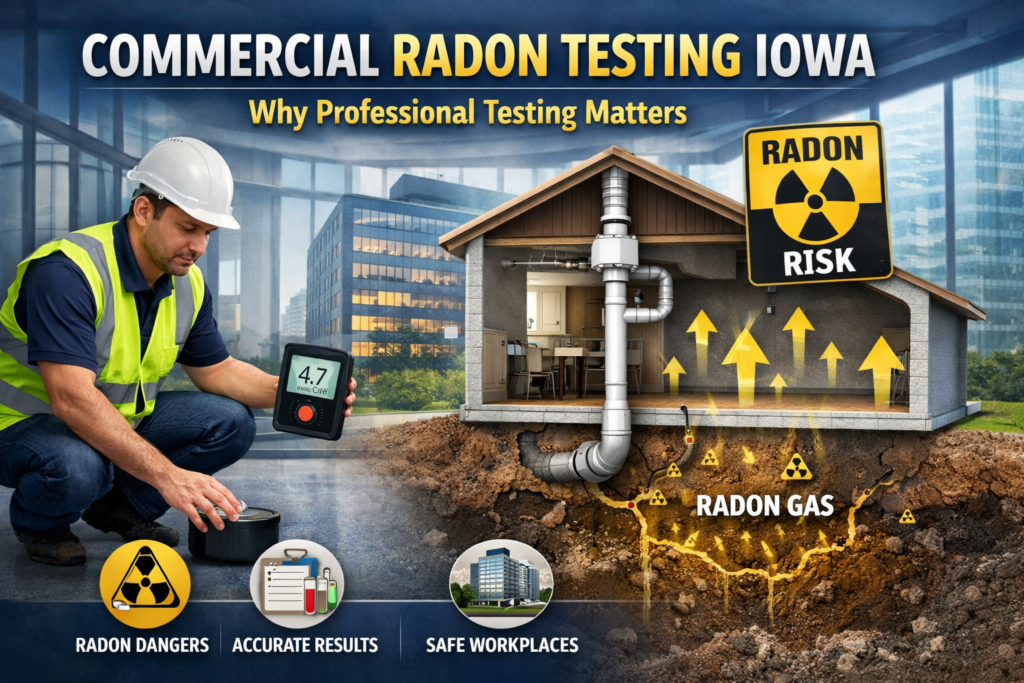
Radon can enter your home without any smell or warning, so you may not notice it. Also, levels can rise quickly due to weather changes, pressure shifts, or new foundation cracks. That’s why you need clear signs of rising radon levels to know when to test, retest, and take action. In addition, even a working mitigation system can drift over time, so you should watch for changes instead of assuming levels stay stable. This guide explains the signs of rising radon levels, what causes them, and what to do next to keep your indoor air safer.

Radon Basics, in Plain Words
Radon is a natural gas created when uranium in soil and rock slowly breaks down. Then it rises up through the ground and enters homes through small openings. As a result, basements, crawl spaces, and slab-on-grade homes can pull radon inside through foundation cracks, floor joints, sump pits, and gaps around pipes or utility lines.
Radon levels also don’t stay the same all the time. Instead, they change with indoor air pressure, moisture, heating and cooling use, and the season. So, you should monitor and test for radon regularly over time, not just once.
Why Do Radon Levels Rise Suddenly?
Radon levels often go up when your home starts pulling more gas from the soil beneath it. For example, during winter, homes stay more closed up and get less fresh air, so radon can build up faster. In the same way, heavy rain or melting snow can push soil gases toward your foundation, which may raise indoor radon readings.
Home upgrades can also change airflow and indoor pressure. When you add insulation, replace windows, finish a basement, or adjust your HVAC system, you change how the house “breathes.” As a result, radon can increase even when everything looks normal.
Key Sign: Rising Radon Readings
The most reliable proof of radon levels comes from your test results. Using a continuous radon monitor or conducting repeat tests allows you to track rising levels over time. Look for these measurement clues:
- A steady rise for several days: A real increase shows up as an upward trend, not a short spike for a few hours.
- Higher readings in the lowest lived-in area: Basements and ground floors often show the change first because radon enters from the soil below.
- The same seasonal increase every year: If winter readings stay higher year after year, that pattern matters.
- A “new normal” after home changes: Higher numbers after renovations or a new HVAC system suggest changes in airflow and pressure inside the home.
Consistent measurement changes create the strongest proof of rising radon.
Structural Clues of Rising Radon
Here are common signs of rising radon levels tied to the structure of your home:
- New or larger foundation cracks: As concrete shifts or settles, small cracks can turn into easy entry points for radon.
- Gaps near sump pits or drains: Open sump covers, and spaces around drain lines can let more soil gas enter.
- Damp crawl spaces with exposed soil: When soil stays uncovered, radon can move up faster and spread into living areas.
- Unsealed pipe or utility openings: Gaps around pipes, wires, and conduits can pull soil gas in when indoor pressure changes.
- A newly finished basement: Finishing often reduces airflow, which can trap radon where it enters.
These structural changes don’t confirm radon by themselves, but they do make immediate radon testing a smart next step.

Daily Habits That Can Boost Radon
Here are common signs of rising radon levels linked to how you use your home:
- You run bathroom or kitchen exhaust fans more often than before.
- You use a fireplace or wood stove regularly in colder months.
- You keep your HVAC fan on “auto” more than “on,” so air mixes less.
- Your basement feels more “stuffy” or stale because you ventilate it less.
Because airflow and pressure habits can raise radon, it’s smart to test for radon after routine lifestyle or ventilation changes.
Health Signs and Radon: The Truth
People often ask for physical symptoms. However, radon exposure doesn’t create a unique short-term symptom that helps you diagnose it quickly. Instead, radon increases long-term risk, especially for lung cancer. So, you should not wait for symptoms before you act.
Still, you can use a health-focused mindset as motivation. If someone in your home already has respiratory vulnerability, you should treat signs of rising radon levels as an urgent reason to test sooner and follow through. Learn more about Protect Your Home with Experienced Radon Specialists in Ankeny.
Immediate Actions for Rising Radon
When you suspect signs of rising radon levels, you should move in a simple sequence, because the right order protects accuracy.
- Test the right level: Place the test on the lowest regularly used level.
- Keep normal conditions: Avoid extra window opening or unusual ventilation.
- Track trends: Retest to confirm patterns, especially after storms or swings.
- Act on confirmed results: If levels stay high, plan mitigation instead of worrying.
Test the right way and retest over time to make confident decisions. If levels stay high, move to mitigation and verify results to keep indoor air safe.
After Mitigation: Keep Testing
Even after you reduce radon, you should keep a simple verification habit. Systems can drift, fans can fail, and homes can change again. Therefore, you should retest periodically and after major renovations. This approach helps you catch signs of rising radon levels early, so you maintain confidence long-term. In addition, keep a quick log of test dates and results, so you can spot trends instead of guessing. If a reading jumps, check the fan, seals, and pressure changes first, then retest to confirm the fix.
Conclusion
When you understand the signs of rising radon levels, you stop guessing and start protecting your indoor air with real evidence. Testing, trend tracking, and follow-up verification give you clarity, while timely mitigation reduces long-term risk and restores confidence in your home. If you want professional support for radon testing, mitigation, and specialized needs like waterborne radon treatment and broader indoor air solutions, contact DSM Radon.