
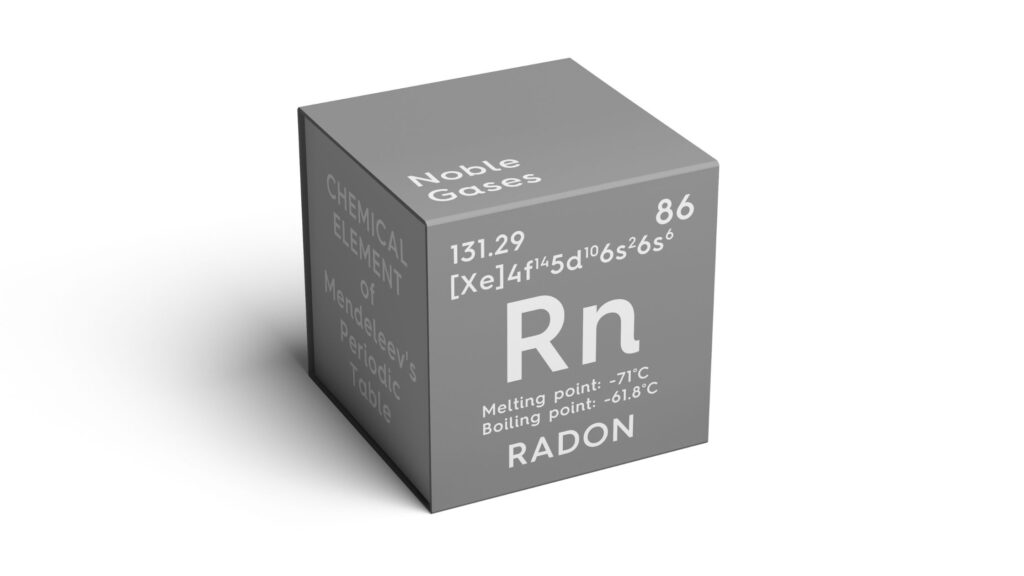
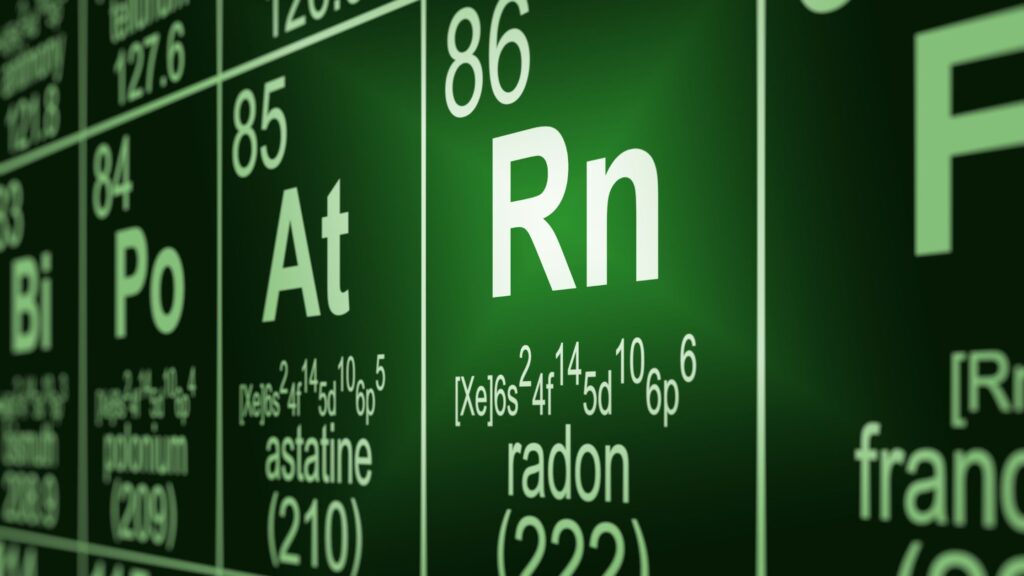
Radon is an invisible and odorless radioactive gas that forms naturally in soil and rock. It can enter homes through cracks, gaps, and foundation openings, silently affecting indoor air quality and creating hidden risks for families over time. In fact, radon exposure is one of the leading causes of lung cancer after smoking, making it a serious health concern for homeowners.
Therefore, understanding and installing a sub slab radon mitigation system becomes essential for maintaining a safe living environment. This article explores how this system works, why it matters, and how it protects your home effectively and supports healthier long-term indoor living conditions.
Understanding Radon and Its Risks
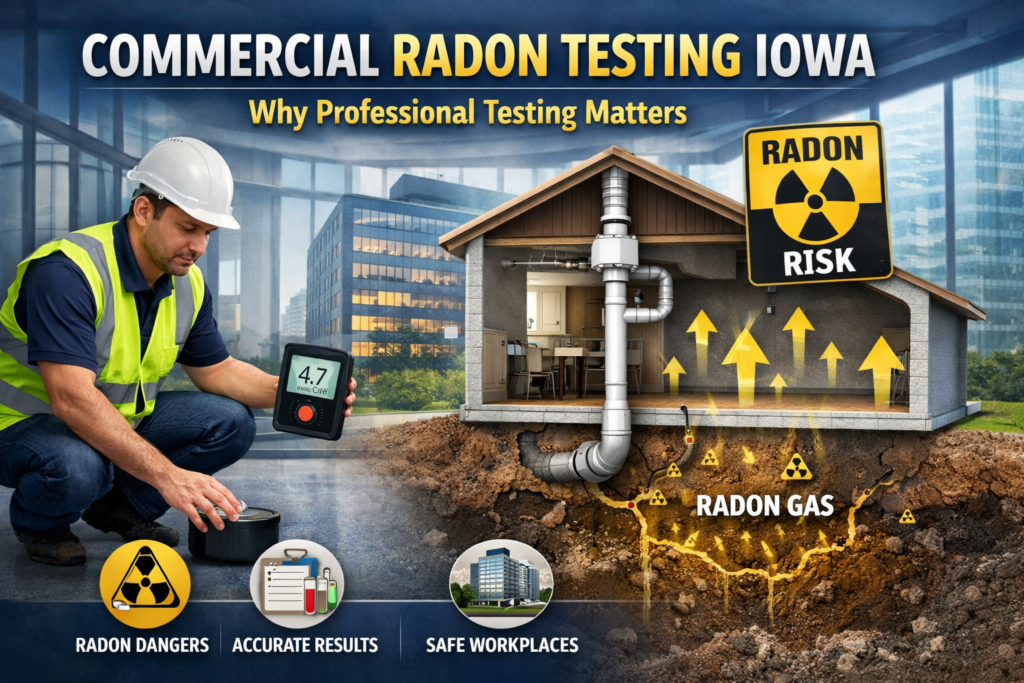
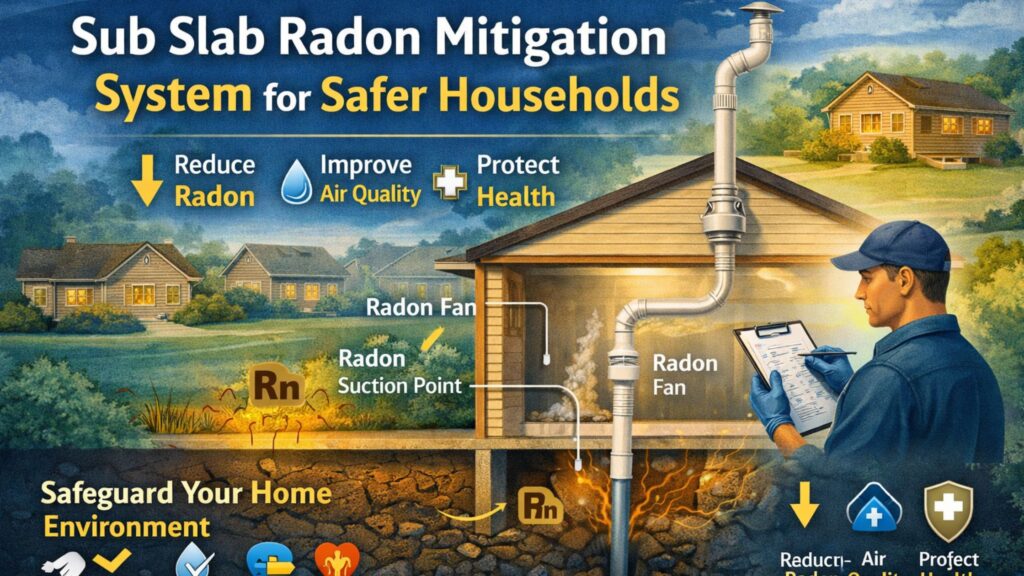
Radon gas develops from the natural breakdown of uranium found in soil. It enters buildings through foundation cracks, sump pits, and construction joints. Once inside, it becomes trapped, especially in basements and lower levels.
Moreover, prolonged exposure increases long-term health risks. Consequently, experts recommend testing every home and taking action when levels exceed safe limits. The EPA suggests fixing radon levels above 4 pCi/L to reduce exposure risks.
Because radon remains undetectable without testing, homeowners must rely on professional solutions rather than assumptions.
What Is a Sub Slab Radon Mitigation System?
A sub slab radon mitigation system removes radon from beneath the foundation, vents it safely outdoors, and provides continuous indoor protection with minimal daily disruption.
- Source-Based Reduction: It removes radon directly from beneath the foundation before it enters living areas.
- Continuous Operation: The system works around the clock to maintain safer indoor air quality.
- Proven Effectiveness: It is one of the most trusted and widely recommended radon reduction methods.
- Low Daily Disruption: Once installed, the system protects the home without affecting everyday comfort.
Together, these features make the system a reliable, efficient, and long-term solution for maintaining a healthier and safer home environment.
How the System Works Step by Step
Understanding how the system functions helps homeowners appreciate its effectiveness, long-term value, safety benefits, and the need for professional radon mitigation.
1. Creating a Suction Point
Technicians drill a small hole in the slab to access the soil beneath. This point becomes the main suction area, allowing the system to collect radon gas efficiently and consistently from below the foundation.
2. Installing Vent Pipes
A PVC pipe connects the suction point to an exterior venting route. This pipe carries radon gas safely away from the home while maintaining steady, balanced airflow throughout the entire mitigation system.
3. Adding a Radon Fan
A specialized fan creates negative pressure beneath the slab. This pressure pulls radon gas away before it enters the house, ensuring continuous, reliable movement of harmful gas toward the vent pipe.
4. Venting Above the Roof
The system releases radon gas above the roofline, where it disperses harmlessly into the atmosphere. This placement keeps the gas from re-entering nearby windows, doors, or other vulnerable openings.
5. Sealing Entry Points
Professionals seal cracks and openings to improve efficiency and prevent radon entry. This step strengthens the system’s performance by reducing unnecessary air leakage and improving overall suction power.
Therefore, each component works together to ensure maximum effectiveness, long-term safety, better airflow control, reliable radon reduction, and lasting protection for the entire home.
Why Sub Slab Systems Are the Most Effective
Among all mitigation methods, this system stands out for several reasons.
First, it addresses radon at its source—beneath the foundation. Second, it provides continuous protection rather than temporary relief. Third, it works in various home types, including basements and slab-on-grade structures.
Additionally, studies and industry practices show that soil depressurization techniques significantly reduce radon levels when properly installed. As a result, homeowners achieve consistent indoor air quality improvement.
Key Advantages of a Sub Slab Radon Mitigation System
Installing this system offers multiple advantages beyond just reducing radon levels, including better indoor safety, improved air quality, long-term home protection, and added property value.
- Health Protection: It lowers the risk of lung cancer by reducing long-term indoor radon exposure.
- Improved Indoor Air Quality: It helps remove other pollutants, creating cleaner air inside your home.
- Increased Property Value: Homes with mitigation systems attract buyers and meet safety expectations.
- Long-Term Safety: Once installed, the system provides ongoing protection with minimal maintenance.
- Regulatory Compliance: It ensures compliance with recommended safety standards and guidelines.
Therefore, investing in this system protects both your health and your property while also improving indoor air quality, long-term safety, and overall peace of mind. Learn more about Radon Testing Cost.
When Do You Need a Sub Slab System?
You should consider installing a sub slab radon mitigation system when:
- Radon levels exceed 4 pCi/L.
- Your home has a basement or slab foundation.
- You plan to sell or buy property.
- You live in a high-radon area.
Additionally, even moderate levels between 2–4 pCi/L require careful consideration, as long-term exposure still poses risks. Thus, early action ensures better safety outcomes.
Installation Process and Professional Approach
Professional installation ensures strong system performance through careful evaluation, customized design, minimal disruption, code-compliant work, and post-installation testing, delivering more reliable results than generic radon mitigation solutions.
- Professionals inspect the foundation type and soil conditions carefully.
- Experts design systems based on home-specific radon entry.
- Technicians install pipes and fans with minimal disruption.
- Follow-up testing confirms the system works efficiently.
- Customized solutions perform better than one-size-fits-all systems.
Together, these steps ensure a safer home, better indoor air quality, and long-term confidence in your radon mitigation system.
Maintenance and Long-Term Performance
Although the system requires minimal upkeep, regular monitoring ensures optimal performance and helps detect potential issues before they affect overall system efficiency.
Experts recommend testing radon levels every two years. Additionally, periodic inspections help identify issues such as fan wear or seal damage before they worsen over time.
By maintaining the system properly, homeowners ensure continuous protection, better system reliability, improved indoor air quality, and long-term peace of mind.
Conclusion
A sub slab radon mitigation system offers the most effective and reliable solution for reducing radon levels in homes. It removes radon at its source, improves indoor air quality, and ensures long-term safety for your family.
By investing in professional testing and mitigation, homeowners take a proactive step toward protecting their health and property. For trusted expertise and customized solutions, DSM Radon provides professional radon testing and mitigation services designed to deliver safe, efficient, and long-lasting results.