
Understanding Radon in Iowa: A Journey Through History
Radon has influenced health awareness and housing decisions in Iowa for many years. Because Iowa’s natural landscape allows radon to form and spread easily, residents face a higher exposure risk than people in many other states. Therefore, understanding the history of radon in Iowa helps homeowners, builders, and decision-makers protect long-term health. Moreover, this history […]
How Radon Affects Local Ecosystems in Iowa: A Practical Guide
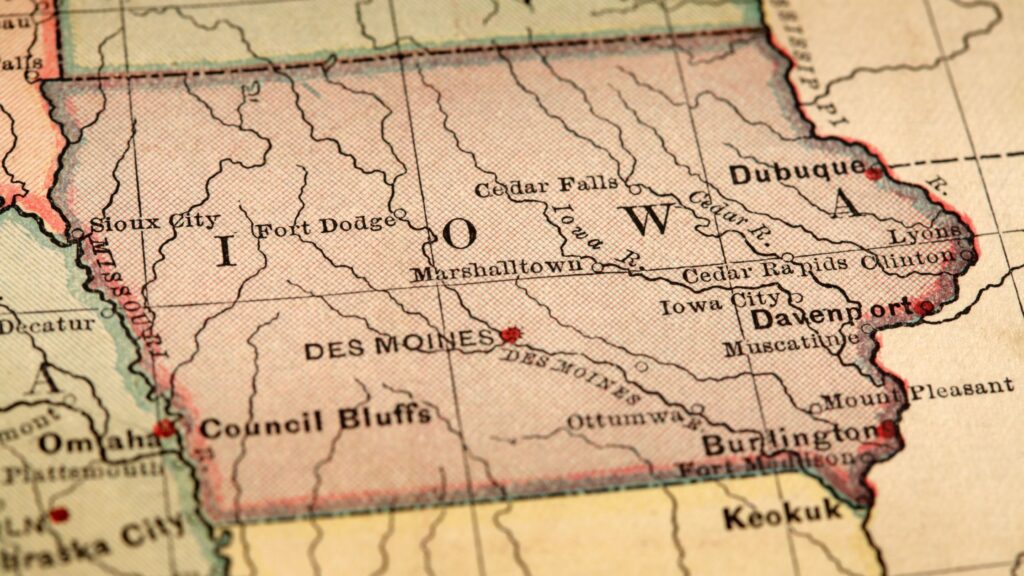
Many managers, homeowners, and landowners often wonder how radon affects local ecosystems in Iowa, especially since they notice the same pattern each year: Iowa’s soil naturally produces radon, weather changes move it, and buildings and landscapes react. This article explains the real impact of radon, what factors change the risk across Iowa, and the steps […]
Radon Testing For Industrial Facilities: A Step-by-Step Approach

Industrial leaders manage risk through repeatable systems. However, radon often gets missed because it stays invisible as it builds. Therefore, a facility needs a program that treats radon like any other exposure: identify where risk concentrates, measure it correctly, record conditions, and verify improvement after action. When teams follow a structured approach, radon testing for […]
A Guide to Radon Mitigation for Public Projects in Ankney
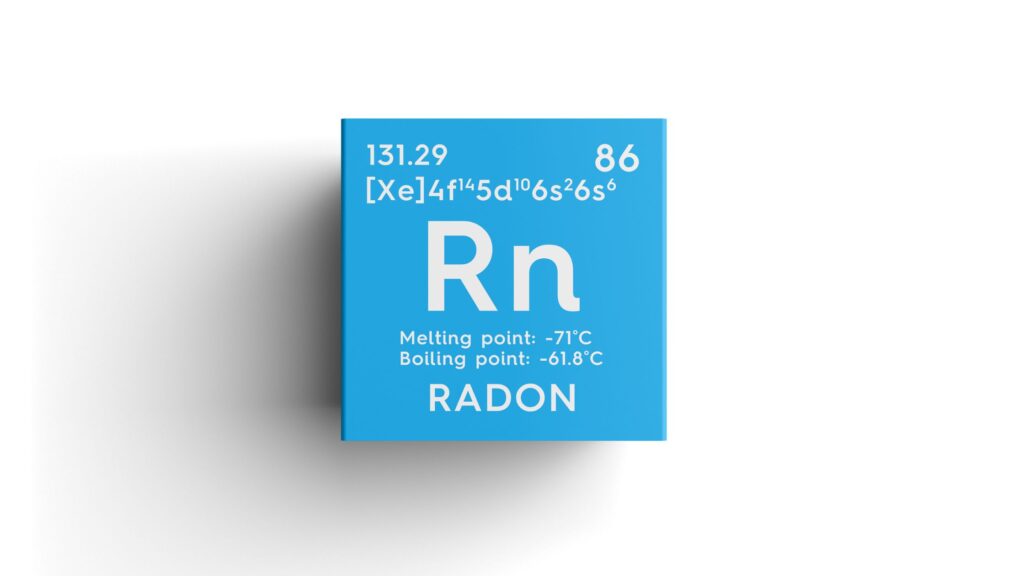
Public buildings must protect many people at once, so you need radon control that stays measurable, repeatable, and easy to manage. Moreover, public projects involve approvals, schedules, and documentation, so you must build a workflow that supports each step without guesswork. This guide explains how to plan radon mitigation for public projects from early testing […]
Why Iowa Geology Produces High Radon and What to Do Next

Iowa radon concerns start underground, yet indoor results drive real decisions. Moreover, Iowa’s soil layers and glacial deposits often create easy pathways for soil gas, so radon can travel toward foundations faster than many homeowners expect. Additionally, pressure differences inside basements and crawlspaces can pull that gas indoors through small openings, so the risk can […]
Health Effects of Long Radon Exposures: What You Need to Know
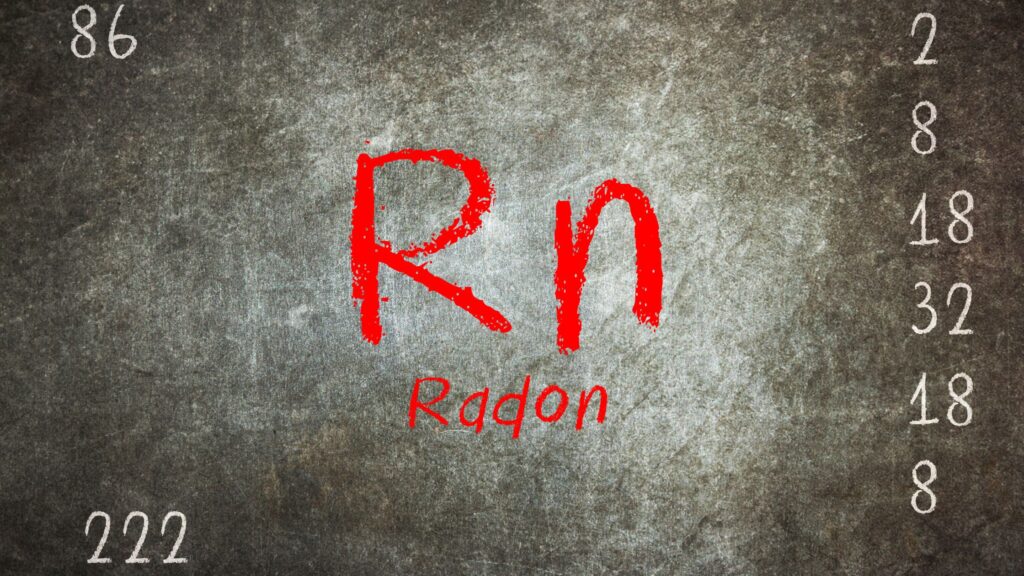
Radon exposure does not usually cause immediate discomfort, making it dangerous over long periods. As a radioactive gas entering indoor spaces from the ground, people can inhale it daily without realizing the risk. The health effects of long-term radon exposure develop slowly, often after years of contact, making awareness and testing essential for safety, especially […]
Pediatric Radon Exposure Risk, Iowa: Safety Guide for Parents

Parents naturally focus on visible safety threats such as traffic, falls, and illness. However, radon creates a different kind of risk because it develops silently inside homes. Therefore, families in Iowa need a calm, structured approach that treats radon as an indoor air quality issue rather than a crisis. This guide explains how pediatric exposure […]
Guide to Radon Implications for Public Infrastructure Projects

Public infrastructure projects must protect people at scale, so teams need to manage indoor air risks with the same discipline they apply to fire safety, accessibility, and structural performance. Radon creates a unique challenge because it stays invisible, enters through common foundation pathways, and can rise or fall as building pressure changes. Therefore, leaders who […]
Gail Orcutt Radon School Safety Act: Requirement Guide
School leaders protect learning when they protect indoor air with repeatable systems. Therefore, districts should treat radon control like a standard safety program, not like a one-time task. Additionally, a documented process keeps every building on the same standard, even when staff roles change or schedules shift. Moreover, consistent records and clear next steps help […]
Understanding Radon Dispersion in Iowa Weather
Radon behaves differently across Iowa because weather changes pressure, soil moisture, and indoor airflow. Therefore, you can see one reading in a calm week and a very different reading after a storm or cold snap. However, you can still make good decisions when you understand the pattern behind the numbers. Radon starts in the ground, […]