
Radon Risk in Midwest Farms: Testing and Mitigation Solutions
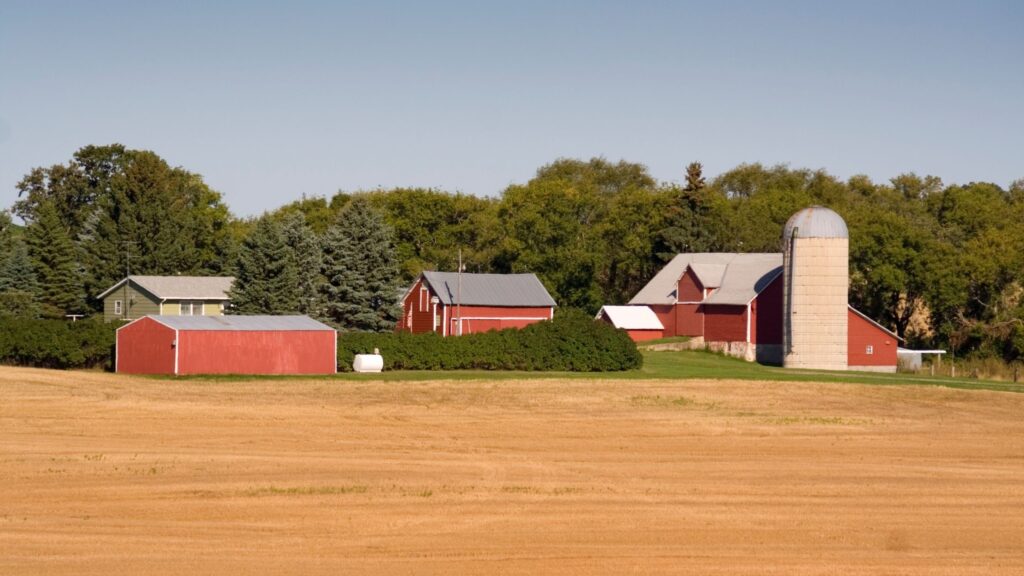
Radon rises from soil into buildings, so people often miss the risk until a test reveals it. Moreover, the Midwest includes broad areas of uranium-bearing soils, glacial deposits, and fine-grained sediments that can release radon gas over time. Consequently, Radon levels in Midwest agricultural states can rise in homes, schools, and workplaces even when a […]
Radon in Groundwater: A Growing Concern for Iowa Homes
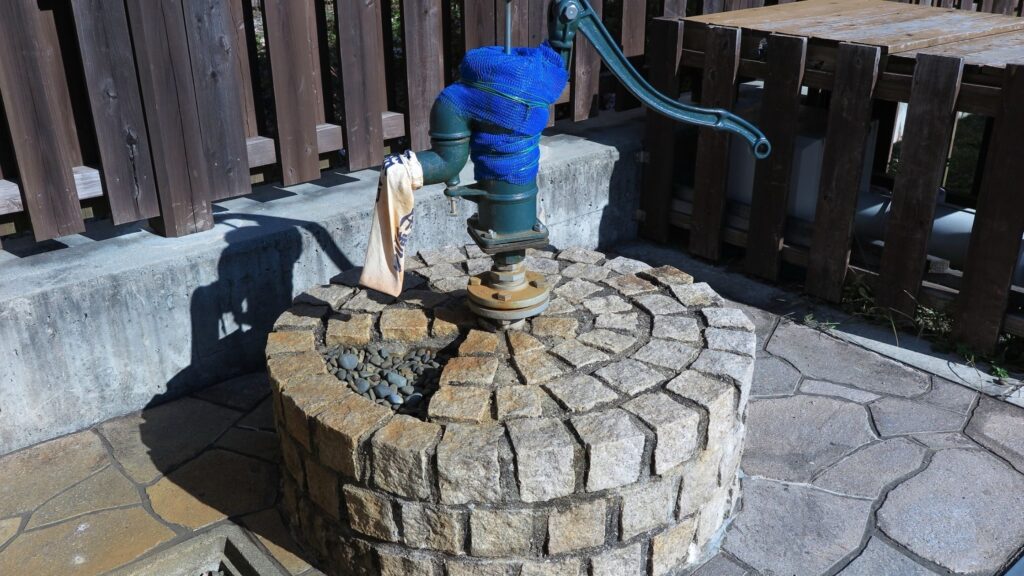
Radon creates a unique challenge in Iowa because it can affect homes through more than one pathway. In addition to entering through soil beneath a structure, radon can also move through groundwater and be released into indoor air when water is used. Therefore, homeowners must understand both pathways to manage exposure correctly. When you understand […]
Climate Change Impact On Radon Levels In Iowa

Indoor air quality can shift even when you change nothing inside your home. Iowa already faces high radon potential, and climate-driven weather patterns can add more variability to how radon moves through soil and into buildings. Therefore, understanding the climate change impact on radon levels in Iowa helps homeowners and facility teams plan consistent testing, […]
Radon Mitigation Access for Low-Income Iowa Homes

Radon exposure is a significant concern in Iowa, where radon levels are among the highest in the United States. This odorless, colorless gas seeps into homes from the soil and can lead to severe health problems, particularly lung cancer. The EPA has set an action level of 4 picocuries per liter pCi/L for radon in […]
Understanding Radon Disclosure Effect on Iowa Home Sales

Home sales remain predictable when all parties share clear, dated information. However, radon often enters the conversation late, creating stress within the inspection window. Therefore, buyers and sellers benefit from a repeatable workflow that protects trust, limits delays, and keeps negotiations factual. This guide explains the radon disclosure effect on lowa home sales in practical […]
Understanding Radon Entry Due to Negative Pressure in Basements
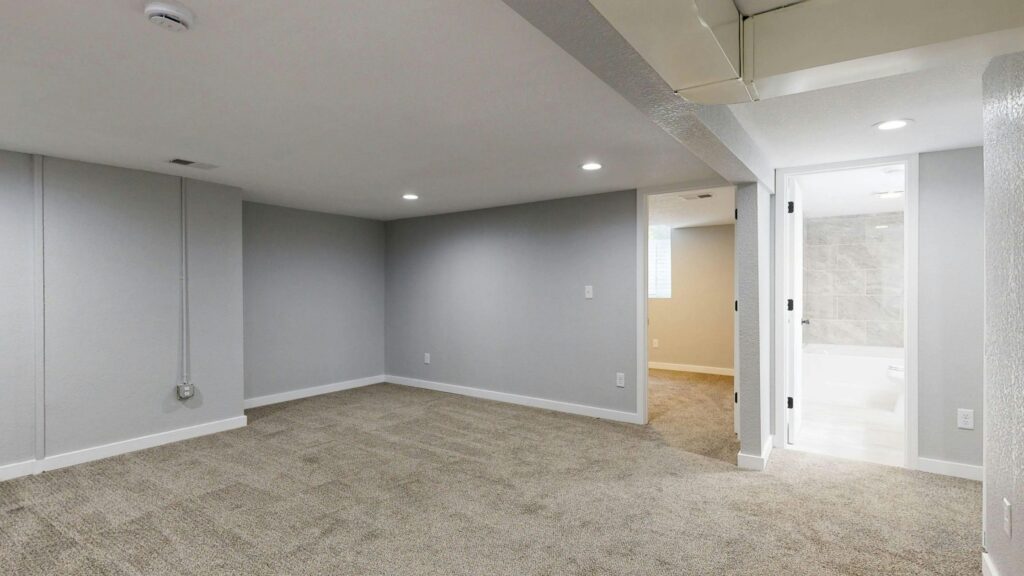
Radon forms naturally when uranium breaks down in soil and rock, and it can build up inside homes without any clear warning. Since radon has no smell or color, homeowners must understand what causes it to enter indoor spaces. One major reason is air pressure imbalance, especially in areas below ground level. In many homes, […]
Radon Risk After Pest Control: What Homeowners Should Do Next
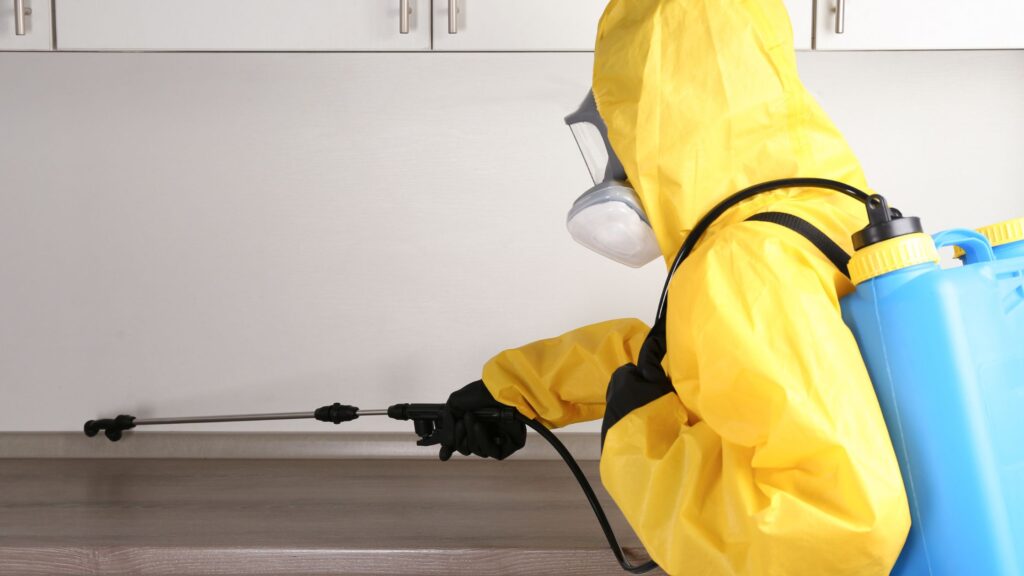
Pest control keeps your home safer, but it can also change how air flows inside. Since radon slips in through small foundation gaps and moves with pressure changes, even minor shifts in sealing, ventilation, or the soil around your home can change indoor levels. That’s why radon risk after pest control should be treated as […]
Radon Levels in Des Moines: Causes, Risks, and Protection

If you live in or around Des Moines, you may be wondering why the city has high radon levels and how it affects your home and family. Radon is a colorless, odorless, radioactive gas that forms when uranium in soil and rock breaks down. Since radon can’t be smelled or seen, it often goes unnoticed […]
Signs of Rising Radon Levels: Homeowner Checklist
Radon can enter your home without any smell or warning, so you may not notice it. Also, levels can rise quickly due to weather changes, pressure shifts, or new foundation cracks. That’s why you need clear signs of rising radon levels to know when to test, retest, and take action. In addition, even a working […]
Iowa Radon Zone 1: What Every Homeowner Should Know

Understanding Iowa Radon Zone 1 is crucial for your health and safety in Iowa. Radon, a colorless, odorless radioactive gas, forms from uranium decay in soil and rock. It can enter buildings through cracks and accumulate to dangerous levels. Since radon can’t be detected by sight or smell, understanding radon zoning and professional testing is […]