

Radon is an invisible yet dangerous gas that can accumulate in homes and increase health risks if left unchecked. While professional mitigation systems are often the most effective solution, ventilation strategies for diy radon control can help lower radon levels when applied correctly. This article explains how ventilation works in reducing radon, provides practical DIY approaches, and highlights important considerations to ensure safety and effectiveness.
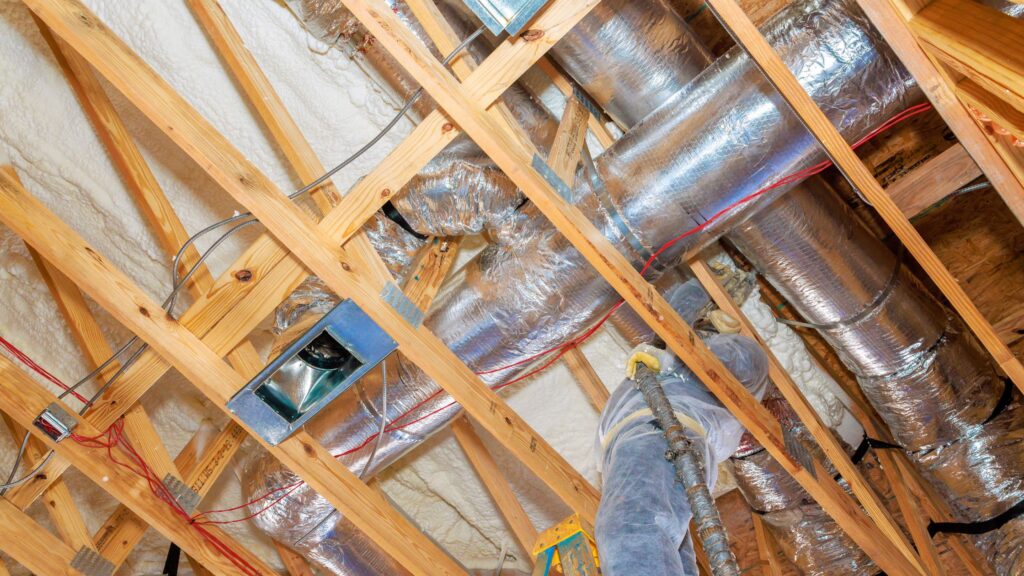
What Radon Is and Why Indoor Airflow Matters
Radon is a naturally occurring radioactive gas that seeps into buildings from soil through foundation cracks, gaps, and other openings. Because it is odorless and invisible, only testing can confirm its presence. Without adequate air circulation, radon can accumulate, especially in lower living spaces like basements and crawlspaces. Increasing airflow dilutes and disperses accumulated radon, thereby lowering the amount present in living areas. As airflow improves, radon concentrations become less dense and less likely to remain trapped indoors. Therefore, consistent air movement plays a critical role in managing exposure levels.
Indoor airflow also influences pressure differences between the home and the surrounding soil. When indoor air remains stagnant, negative pressure can draw more radon inside through structural openings. By improving ventilation, homeowners reduce pressure imbalances and limit radon entry while promoting healthier indoor air conditions.
Practical Considerations for DIY Ventilation
Effective DIY ventilation requires careful planning to ensure airflow reduces radon without creating new indoor comfort issues.
- Home Airflow Layout: Air moves differently based on room design and structure. Understanding flow improves ventilation placement and effectiveness.
- Seasonal Pressure Changes: Temperature shifts affect indoor pressure and radon movement. Ventilation performance can vary across different seasons.
- Weather-Dependent Ventilation: Natural airflow relies on outdoor wind and climate. Inconsistent weather reduces the reliability of open-air methods.
- Comfort and Energy Impact: Increased airflow affects indoor temperature and humidity. Careful adjustments help maintain comfort and efficiency.
- Ventilation Consistency: Irregular airflow allows radon levels to rise again. Consistent use supports steadier radon reduction.
When homeowners apply ventilation thoughtfully and consistently, they achieve more stable radon control and healthier indoor air conditions. Learn more about Radon Ventilation System.
Why Ventilation Plays a Role in DIY Radon Control
Ventilation plays a direct role in managing indoor radon levels by improving air movement and dilution. When homeowners apply the right airflow strategies, they reduce radon buildup and improve indoor air balance.
1. Strategic Window Ventilation
Opening windows on opposite sides of the home creates cross-ventilation that improves air circulation. This airflow helps dilute radon concentrations trapped indoors. Consistent use during suitable weather conditions supports a gradual reduction.
2. Mechanical Exhaust Fans
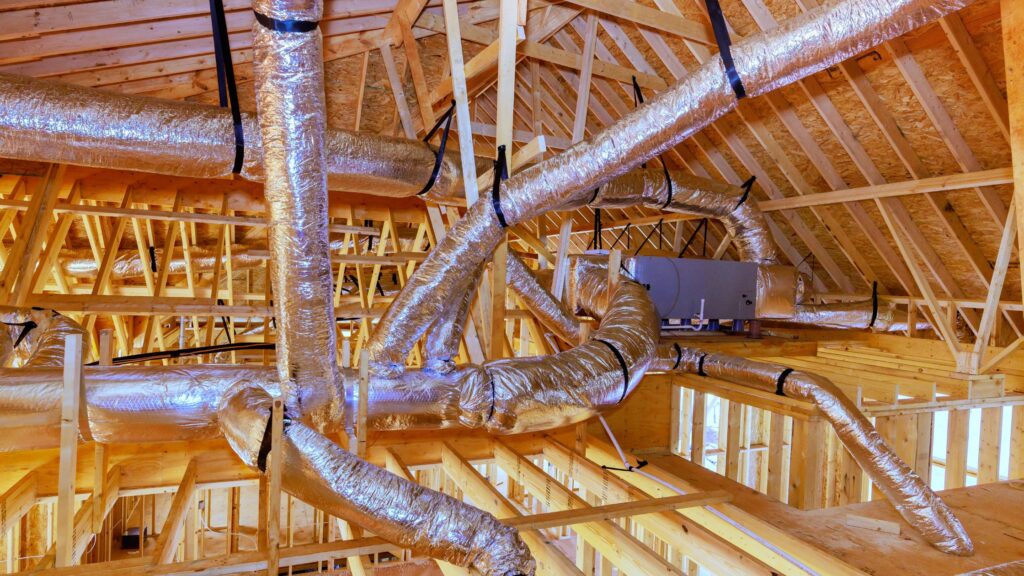
Exhaust fans actively pull radon-laden air from enclosed spaces like basements. This method increases air turnover and limits gas buildup. Proper placement ensures effective and predictable airflow patterns.
3. Crawl Space Ventilation
Ventilating crawl spaces prevents radon from accumulating beneath the home. Improved airflow reduces pressure differences that draw gas indoors. This approach supports safer indoor air conditions over time.
4. Basement Air Venting
Basements often trap radon due to limited natural airflow and ground contact. Venting systems help release trapped air efficiently. Regular airflow prevents radon from concentrating in living areas.
5. Balanced Indoor Air Pressure
Unbalanced airflow can increase radon entry through negative pressure. Controlled ventilation maintains neutral pressure inside the home. This balance supports effective radon reduction without added risks.
Effective ventilation supports DIY radon control by limiting accumulation and stabilizing indoor air pressure. When applied consistently and monitored properly, these strategies help create safer and healthier living spaces.
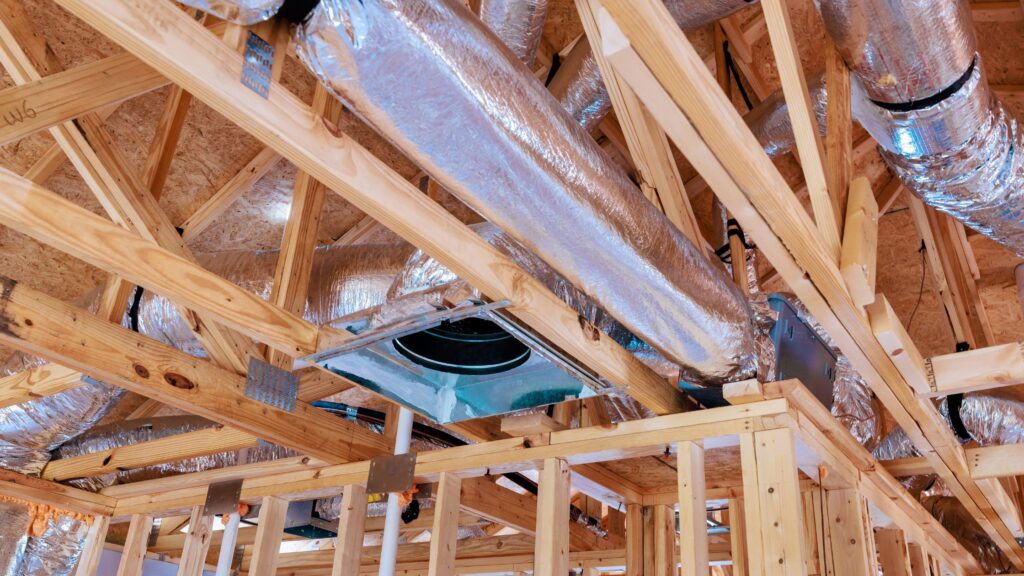
Limitations of DIY Ventilation for Radon Control
DIY ventilation can lower radon to some extent, but it may not be enough for homes with significantly elevated radon levels. Professional mitigation systems—such as active soil depressurization—offer engineered solutions that continuously remove radon at the source. Ventilation alone does not change soil gas pressure or stop radon infiltration. It is a temporary or supplemental measure rather than a full mitigation strategy, especially when radon measurements exceed recommended safety limits.
Moreover, ventilation effectiveness often depends on weather, home layout, and seasonal pressure changes. As conditions shift, radon levels can rise again despite ongoing airflow efforts. Therefore, relying only on DIY ventilation may create inconsistent results and a false sense of long-term control.
Importance of Testing and Ongoing Monitoring
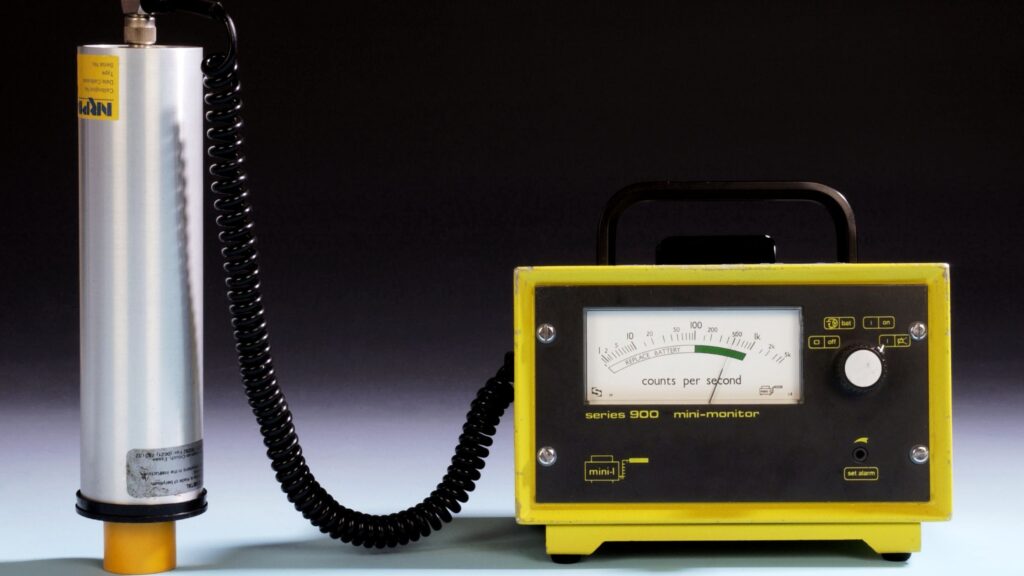
Consistent radon testing ensures ventilation efforts deliver measurable and reliable improvements over time.
i. Baseline Testing Before Ventilation – Establishes initial radon levels to measure improvement accurately.
ii. Post-Ventilation Testing for Verification – Confirms whether airflow changes reduce indoor radon concentration.
iii. Long-Term Monitoring for Seasonal Changes – Identifies fluctuations caused by weather and pressure variations.
iv. Multi-Area Testing in Lower Living Spaces – Captures uneven radon distribution across basements and crawlspaces.
v. Data-Driven Decisions for Next Steps – Prevents assumptions and supports informed mitigation planning.
Ongoing monitoring validates results, reveals hidden fluctuations, and guides safer long-term radon management decisions.
Conclusion
Implementing ventilation strategies for diy radon control at home can help dilute and disperse indoor radon gas, especially in spaces like basements and crawlspaces. By encouraging air movement through natural or mechanical means and monitoring radon levels before and after, homeowners can take meaningful steps toward reducing their exposure. However, for persistent or high radon levels, comprehensive solutions are more reliable. For professional guidance and effective mitigation services, DSM Radon offers expertise to ensure your home stays safe and healthy.

FAQs
1. Can ventilation alone solve high radon levels?
Ventilation helps lower radon concentrations, but it may not be enough for high levels. In many cases, professional mitigation systems are more effective at consistently reducing radon.
2. How often should I test radon after ventilation changes?
It is best to retest after implementing ventilation changes and periodically thereafter, especially with long-term tests that show seasonal trends.
3. What are effective ventilation strategies for DIY radon control?
To reduce radon levels, consider strategies such as window ventilation, exhaust fans, and crawl space or basement venting. Regular airflow helps lower radon buildup.