

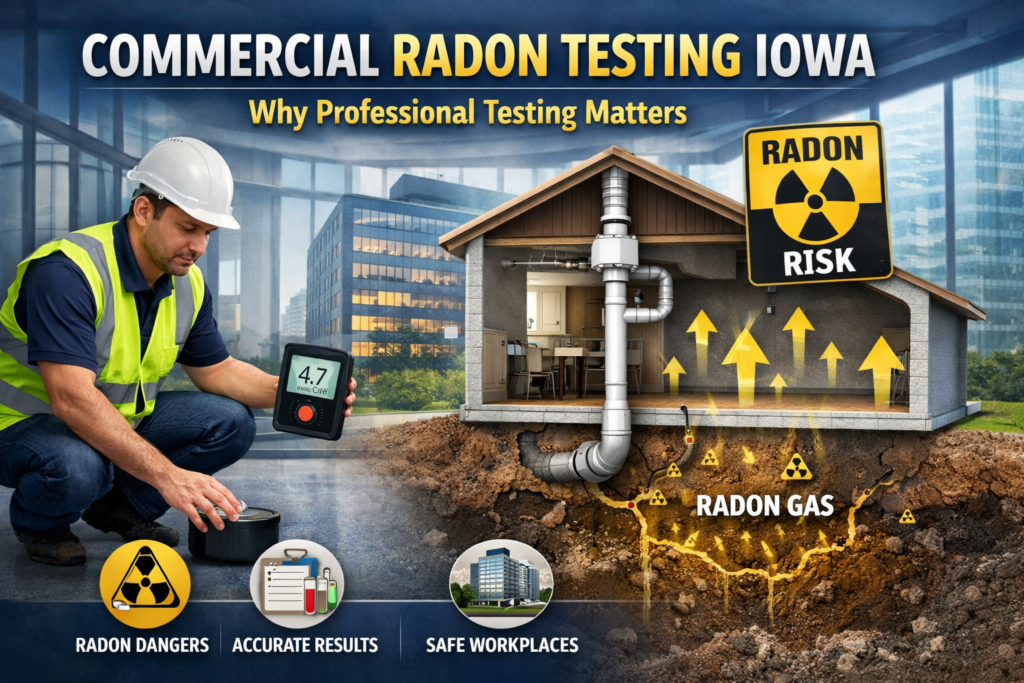


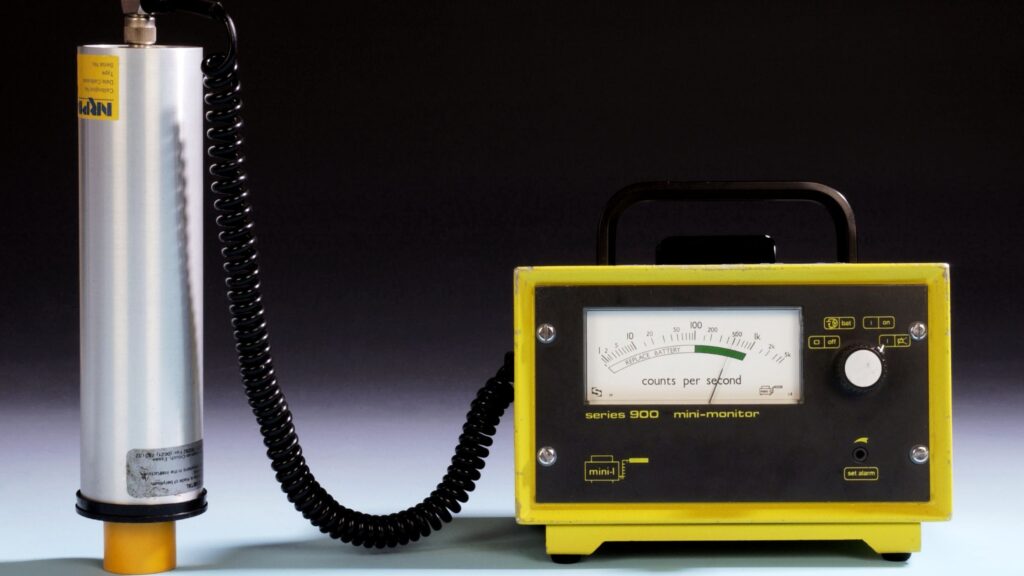
Radon, an odorless and colorless gas, poses a significant health risk if it accumulates indoors. To ensure a property is safe from radon exposure, proper mitigation systems must be installed. However, the effectiveness of these systems can vary depending on their design. This is where PFE testing comes in. In this article, we’ll explore what PFE testing is, how it contributes to the overall radon mitigation effectiveness, and why radon fan selection is crucial for a successful mitigation strategy.
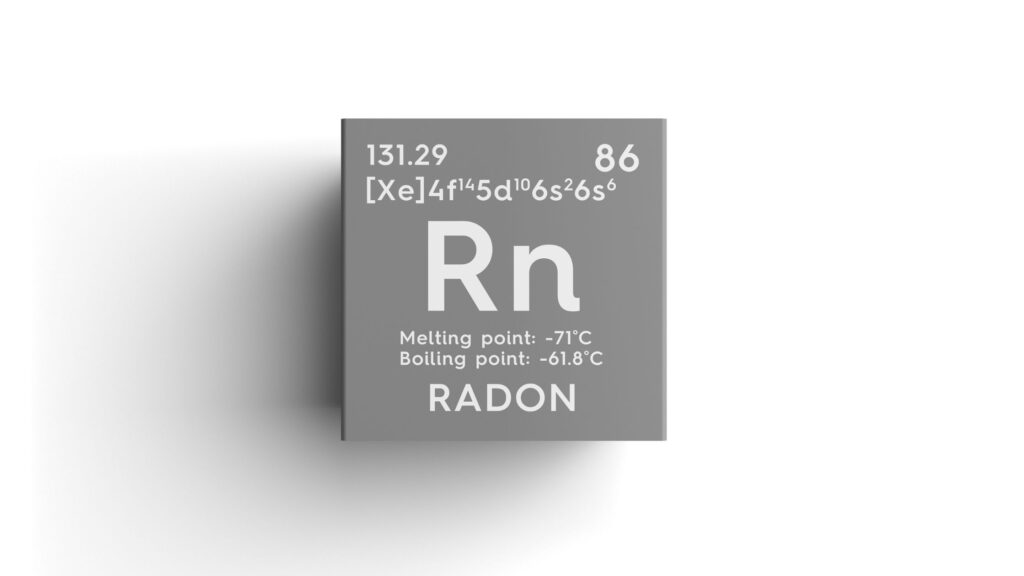
What is PFE Testing?
PFE, or Pressure Field Extension, is a critical method used to evaluate the effectiveness of a radon mitigation system. Specifically, PFE testing measures the system’s ability to create a negative pressure zone beneath the foundation of a building. This negative pressure is essential because it pulls radon gas from the soil below and vents it safely outside, preventing harmful radon from entering the living space. The PFE test involves drilling small holes at strategic points in the foundation, often through concrete, to measure the pressure levels in different areas.
By measuring the pressure at various locations, technicians can determine if the suction is evenly distributed across the entire foundation area. Suppose the test shows that pressure is consistent throughout. In that case, it indicates that the radon mitigation system will work efficiently, with the ability to pull radon from all areas of the foundation. On the other hand, if weak spots or uneven pressure readings are detected, adjustments to the system — such as adding more suction points or increasing fan capacity — can be made to ensure comprehensive coverage and optimal performance of the mitigation system.
The Role of PFE Testing in Optimizing Radon Mitigation Systems
Radon mitigation systems are essential for reducing radon exposure, but their effectiveness depends on proper system design. PFE testing plays a crucial role in ensuring these systems perform at their best.
1. Ensures Full Coverage
PFE testing ensures that the suction is evenly distributed across the entire foundation. This prevents radon from seeping through any unprotected areas. Without this coverage, certain areas of the building may still have high radon concentrations.
2. Optimizes System Design
PFE testing measures the pressure at various points to help design a system tailored to the building’s structure. Ensuring the mitigation system is effective. It allows professionals to adjust fan sizes, suction points, and piping for maximum efficiency.
3. Improves Long-Term Performance
PFE testing helps identify potential issues with the system early on, ensuring the system remains effective over time. This is especially important as building conditions or soil properties may change, which can affect how radon moves through the foundation.
4. Prevents System Overload
PFE testing helps avoid overloading the mitigation system by ensuring that fan capacity and suction points match the radon levels of the property. This prevents energy waste and reduces the risk of system failure.
PFE testing ensures radon mitigation systems are effective, efficient, and long-lasting. It optimizes system performance, prevents overload, and ensures consistent protection against radon for years to come.

How to Select the Best Radon Fan for Effective Mitigation
Choosing the right radon fan is crucial for ensuring your radon mitigation system operates effectively and efficiently.
i. Airflow and Static Pressure: The fan must provide adequate airflow to draw radon and overcome static pressure from pipes and the foundation, ensuring efficient operation.
ii. Continuous Operation: Radon fans run 24/7, requiring reliability, durability, and energy efficiency to maintain constant operation without failure.
iii. Noise and Placement: The fan should be installed in low-noise areas. Such as an attic or garage, to minimize disturbance while maintaining effectiveness.
iv. Maintenance and Longevity: A well-chosen fan should be low-maintenance and durable, with warranty coverage to ensure long-term reliability.
Selecting the right radon fan ensures that your mitigation system performs at its peak, reducing radon levels consistently and effectively while offering long-term durability. Learn more about Radon Levels in Winter.
How PFE Testing and Radon Fan Selection Work Together
To achieve optimal radon mitigation, PFE testing and proper fan selection must work hand-in-hand. PFE testing provides the data needed to ensure that the system’s suction is correctly distributed across the foundation. This data is essential for selecting a radon fan that matches the system’s specific needs. A professional radon mitigation provider will use the results from the PFE test to determine the most suitable fan size and configuration. Ensuring the fan is correctly sized allows the system to effectively reduce radon levels and maintain consistent suction over time. Additionally, using the right fan and properly sealing the system prevents radon from entering the living space.
Conclusion
In conclusion, PFE testing is an essential process for ensuring that radon mitigation systems are both effective and long-lasting. PFE testing optimizes system design, prevents overload, and enhances performance over time, ensuring that radon levels remain safely low. Additionally, selecting the right radon fan is crucial to maintaining the system’s efficiency and effectiveness. For a thorough and reliable radon mitigation solution, partnering with a professional company that incorporates PFE testing and expert fan selection, like DSM Radon, ensures your home or business remains protected from radon exposure for years to come.

FAQs
Q1. What is the role of PFE testing in radon mitigation?
PFE testing confirms that the system creates enough suction under the entire foundation for effective radon removal.
Q2. Why is radon fan selection important in a mitigation system?
The right fan maintains proper airflow and pressure, helping keep radon levels consistently low.
Q3. Can radon mitigation systems be effective without PFE testing?
They may reduce radon, but PFE testing ensures the system is fully optimized for the building and soil for more reliable, long-term results.
Q4. How often should radon systems be checked or maintained?
Systems should be checked regularly to confirm fan operation, fix any leaks, and retest radon levels.