


Radon does not smell, and it does not irritate your throat. However, it can still build up indoors and raise long-term health risks. Therefore, you need a clear way to understand your test result and take the next right step. This guide explains why radon is dangerous in the Midwest, how radon levels behave, and what drives radon in home exposure, so you can act with confidence. Additionally, you will learn where radon enters, which testing habits keep results dependable, and when mitigation makes sense. Moreover, you will see how to verify the improvement after changes.

Why the Midwest Has Higher Radon Risk
Midwest geology can release radon from soil and rock as natural materials break down. Additionally, many homes include basements and sump systems that sit directly against the ground. Consequently, the house can pull soil gases through tiny openings that homeowners never notice. Moreover, winter living patterns can tighten a home’s airflow, so indoor air can trap gases longer. Furthermore, shifting foundations can create new pathways, so entry points can change over time.
Radon also varies from house to house. For example, two homes on the same street can show different results. Therefore, you should treat testing as personal to the property, not the neighborhood. Additionally, renovations and HVAC upgrades can shift readings, so periodic retesting keeps decisions accurate.
Why Radon is Dangerous and What It Means
Test the lowest used level, trust the result, act on elevated readings, retest after mitigation or renovations, and keep records for clear comparisons. Here is how:
- Test the right area: Test the lowest level you use regularly, because it often shows the highest exposure.
- Trust the number, not assumptions: Use the result to guide decisions, even if the home looks “sealed” or new.
- Act quickly on elevated readings: Plan mitigation when results call for action, so you reduce risk sooner.
- Verify after changes: Retest after mitigation and after renovations or HVAC changes, because airflow shifts can change outcomes.
- Keep a simple record: Save dates, floor tested, and results, so future retests stay clear and comparable.
Test, interpret, mitigate when needed, and verify results, so your home stays safer year-round; DSM Radon supports clear radon testing and mitigation steps that protect families with measurable proof.
How Radon Builds Up in the Home
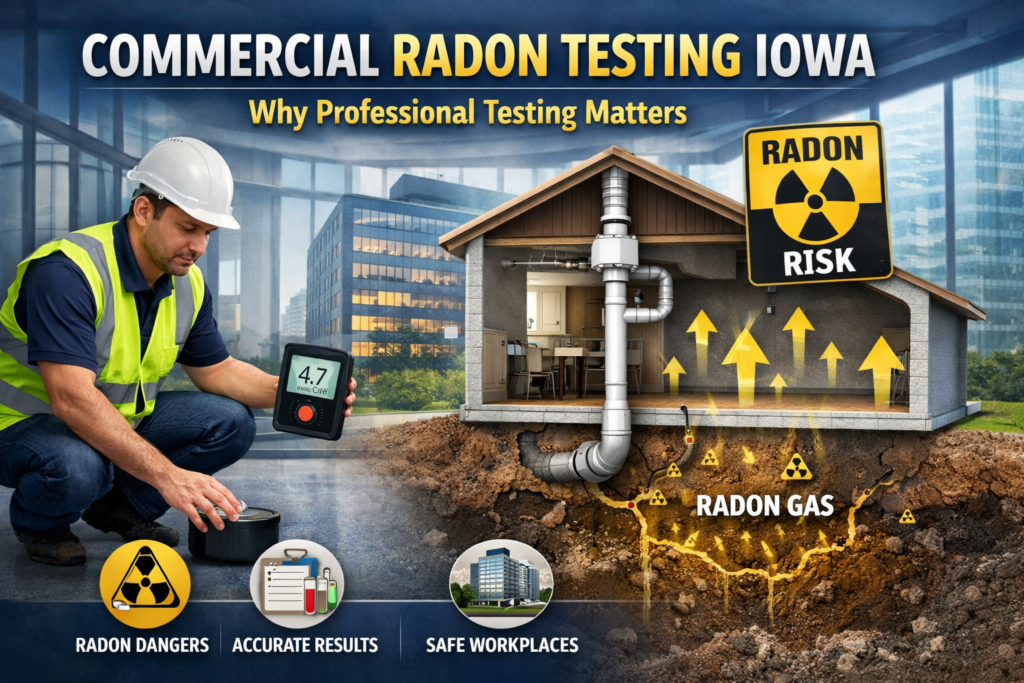
Radon enters where the home touches the ground. It moves through cracks, slab joints, sump lids, crawlspaces, and pipe gaps. Additionally, lower indoor pressure can pull gas inside. Here are things to keep in mind:
1) Problem, Solution, and Brand
Radon stays invisible, yet you can manage it with testing, smart mitigation, and follow-up verification; DSM Radon helps you lower indoor risk with clear, measurable results for families, buyers, and property managers across the Midwest.
2) Action Checklist Style
Test the lowest lived-in level, interpret the number, mitigate when needed, and retest for proof; DSM Radon guides each step so your home’s radon plan stays reliable through seasons, renovations, and changing HVAC airflow patterns.
3) Benefit-Led, Reassurance Tone
When you measure radon, you replace fear with clarity. Use testing, mitigation, and verification for safer indoor air; DSM Radon supports families with practical, proven steps that protect daily living spaces and improve long-term peace.
4) Urgency and Reassurance Structure
Act early, test now, address elevated readings with mitigation, and verify with a retest; DSM Radon delivers a clear, dependable path to safer indoor air and confidence so you avoid delays and reduce risk sooner, decisively.
Therefore, you should test early and act on results, because measurable steps lower exposure fast and keep your home’s indoor air safer year-round.

Radon Levels: How to Read Your Test Result
A radon test shows concentration for a specific period, so you should use it to guide decisions. Additionally, test the lowest regularly used level, because it often reflects peak exposure. Things to consider:
- You should still retest periodically, especially after major changes.
- You should confirm with follow-up testing and plan the next steps.
- You should move toward mitigation and verify the new result.
Record location, date, and conditions to compare results accurately later. Use a short-term test for quick direction, and use a long-term test for steadier averages. Keep the device away from drafts and humidity to reduce false swings. Follow these:
- Place the test away from vents and windows.
- Keep doors closed during short tests.
- Set the device at breathing height, indoors.
Follow these steps consistently for a clear baseline and confident action. Learn more about Why Iowa Geology Produces High Radon.
A Simple Weekly Action Plan to Reduce Radon in Homes
You do not need a complicated process. Instead, you need a consistent one, such as:
- Test first: You should measure before you assume anything.
- Test Lowest Level: You should test where exposure is likely to run highest.
- Follow the Number: You should confirm borderline results and act on higher ones.
- Mitigate When Needed: You should reduce exposure rather than “wait and see.”
- Verify and document: You should keep records and retest after major home changes.
Moreover, this plan supports homeowners, landlords, and facility managers alike. Consequently, you can protect occupants with repeatable decisions.

Conclusion
You can control radon with clear steps and measurable proof. Therefore, you should test, understand your radon levels, reduce radon in your home when results call for action, and verify improvements after changes. If you want professional support, DSM Radon provides radon testing and radon mitigation for residential and commercial properties, and the team also supports custom system planning and post-mitigation verification. Additionally, you should retest after major remodeling, HVAC updates, or basement finishing. Moreover, you should keep results on file for future buyers, tenants, and inspections. Finally, you now understand why radon is dangerous in the Midwest and how to respond with confidence.