
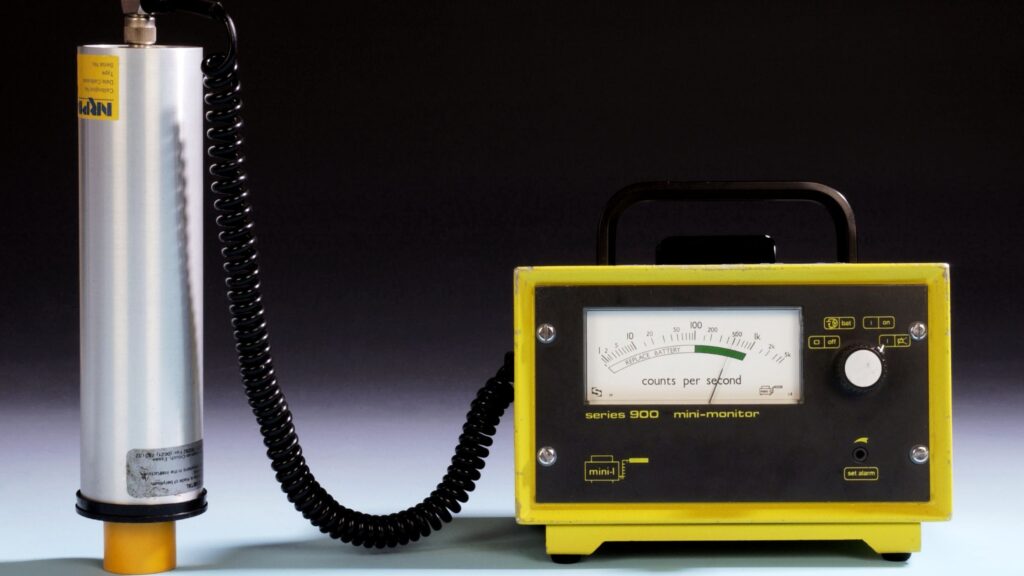
Iowa consistently ranks among the most dangerous states for radon exposure, yet a common misconception persists that the open countryside offers protection. In reality, geological and structural factors create a unique environment that traps radioactive gas. Understanding why radon is worse in rural Iowa homes than in the city is the first step toward protecting your family’s health. While urban areas deal with pollution, rural properties often sit directly on top of undisturbed, uranium-rich soil that channels gas straight into the home.

The Impact of Geological Composition
Geological composition plays the most significant role in this disparity. For instance, in densely populated cities, construction crews extensively excavate the land, aggressively compact the soil layers, and frequently import heavy clay fill to stabilize the ground for housing. Consequently, this rigorous disturbance effectively destroys the natural fissures and pathways that typically allow gas to rise effortlessly.
However, in sharp contrast, the soil in rural areas remains largely untouched and preserves its original, sponge-like porosity. Furthermore, Iowa’s deep glacial till naturally contains high concentrations of uranium. As a result, as this uranium decays, it continuously produces radon gas that travels freely through the loose earth directly toward the surface. Therefore, without the barrier of compacted urban soil, country homes inevitably face a much higher volume of toxic soil gas than their urban counterparts.
Why Rural Factors Increase Radon Risks
Specific environmental dynamics actively conspire to elevate radon levels in the countryside. In fact, distinct physical mechanics create unique entry points for this radioactive gas to infiltrate your living space.
- First, private wells lack the aeration found in city water. Consequently, running the tap releases trapped radon gas directly into your indoor air supply.
- Second, clay soil around foundations often dries and cracks open. Therefore, these fissures create direct highways that allow gas to enter the home easily.
- Third, large lots make the house the main escape path. Thus, the structure acts like a chimney and draws soil gas inward very effectively.
- Fourth, strong winds hit rural homes without any urban buffers. As a result, this pressure creates a vacuum that pulls radon from the soil.
These diverse elements combine to create a perfect storm for radon entry. Consequently, simply living outside the city limits does not automatically guarantee fresh or safe air inside your home. Learn more about Radon Mitigation Iowa.
Structural and Lifestyle Factors Increasing Risk
Beyond simple geology, specific building styles and daily habits actively contribute to the danger. In fact, the unique infrastructure of rural life frequently creates hidden pathways for gas to enter the home.
1. Private Well Water Systems
Private wells significantly contribute to the problem because they pull water directly from deep underground aquifers where radon accumulates. When you run water for laundry or bathing, the agitation releases this trapped gas into the air you breathe.
2. Aging Farmhouse Foundations
Many rural Iowa homes feature fieldstone foundations, limestone walls, or dirt floors that offer virtually no resistance to soil gas. These porous materials allow radon to seep through effortlessly, unlike the solid poured concrete found in modern city subdivisions.
3. The Presence of Crawl Spaces
Rural homes often utilize crawl spaces rather than full basements, which places the living area directly above exposed earth. Without a proper vapor barrier, the house sucks gas straight up through the floorboards due to thermal pressure.
4. Infrequent Real Estate Testing
City homes change owners frequently, triggering mandatory radon tests during the inspection process, but rural homesteads often stay in the same family for generations. As a result, decades may pass without a single test, allowing levels to rise unchecked.
These four elements collectively intensify the exposure levels in rural properties. Therefore, identifying these specific vulnerabilities remains the most effective step toward securing a healthy living environment.

Proven Methods for Securing Your Home
Homeowners can actively implement verified strategies to neutralize this invisible threat.
a) Schedule Professional Testing: Professional testing is the only way to accurately measure the specific levels in your home.
b) Install Mitigation Systems: Installing an Active Soil Depressurization system effectively vents gas before it enters.
c) Seal Foundation Cracks: Sealing cracks in the foundation and concrete floor limits the entry points for soil gas.
d) Treat Well Water: Treating well water with aeration systems removes radon before it reaches your tap.
e) Maintain System Efficiency: Regular maintenance of mitigation fans ensures the system continues to protect your family.
Taking these decisive actions effectively transforms a vulnerable rural property into a safe sanctuary for your family.
Why City Homes Sometimes Show Lower Radon Readings
Urban homes can still have radon, yet many cities create conditions that reduce how much gas reaches and stays inside.
- Compacted ground and fill: Heavier compaction and imported fill can slow soil-gas movement.
- Newer, tighter construction: Poured concrete and better sealing reduce common entry points.
- More frequent testing: Urban homes sell more often, so inspections trigger tests and mitigation sooner.
- More consistent ventilation: HVAC use can stabilize indoor pressure and limit radon pull-in.
Even with these advantages, testing is still essential—because any home can trap radon based on its foundation, pressure conditions, and hidden entry points.

Conclusion
Ultimately, the peace of the countryside should not come at the cost of your lung health. Recognizing why radon is worse in rural Iowa homes than in the city allows homeowners to take defensive action. Fortunately, professional mitigation systems can effectively reduce these levels, regardless of your foundation type or water source. Start with a reliable radon test, then act quickly if levels come back high. A proper system brings peace of mind by keeping your indoor air consistently safer year-round. For trusted local advice and professional mitigation services, DSM Radon and the team are ready to ensure your home is safe.