
Commercial Radon Testing Iowa: Why Professional Testing Matters
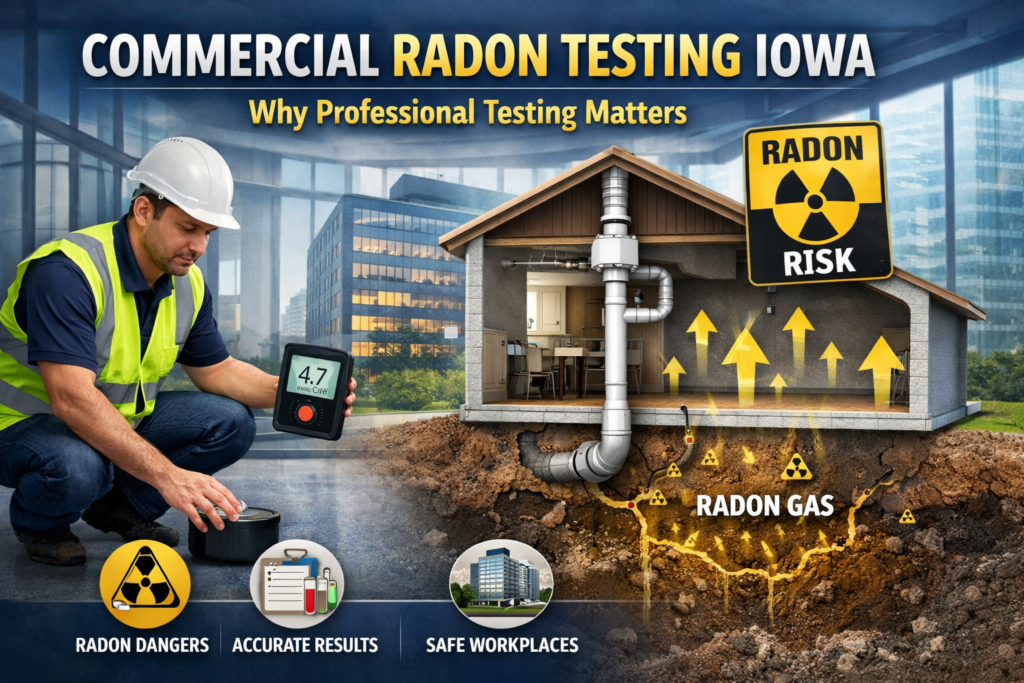
Commercial buildings in Iowa face a unique challenge that many property managers overlook: radon gas exposure. Because radon is invisible, odorless, and undetectable without specialized equipment, it remains a silent threat in many offices, schools, multi-family units, and other large structures. Fortunately, commercial radon testing Iowa services conducted by certified experts reveal dangerous levels and […]
At Home Radon Testing Ankeny: A Complete Guide for Safer Air
Radon gas poses a hidden threat in many Iowa homes, and at-home radon testing Ankeny gives you a straightforward way to understand your indoor air quality. Because radon is invisible, odorless, and dangerous to long-term health, testing your home for this gas should be a priority. Moreover, regular home radon testing helps ensure that your […]
Radon Mitigation Des Moines: Safe Indoor Air Solutions
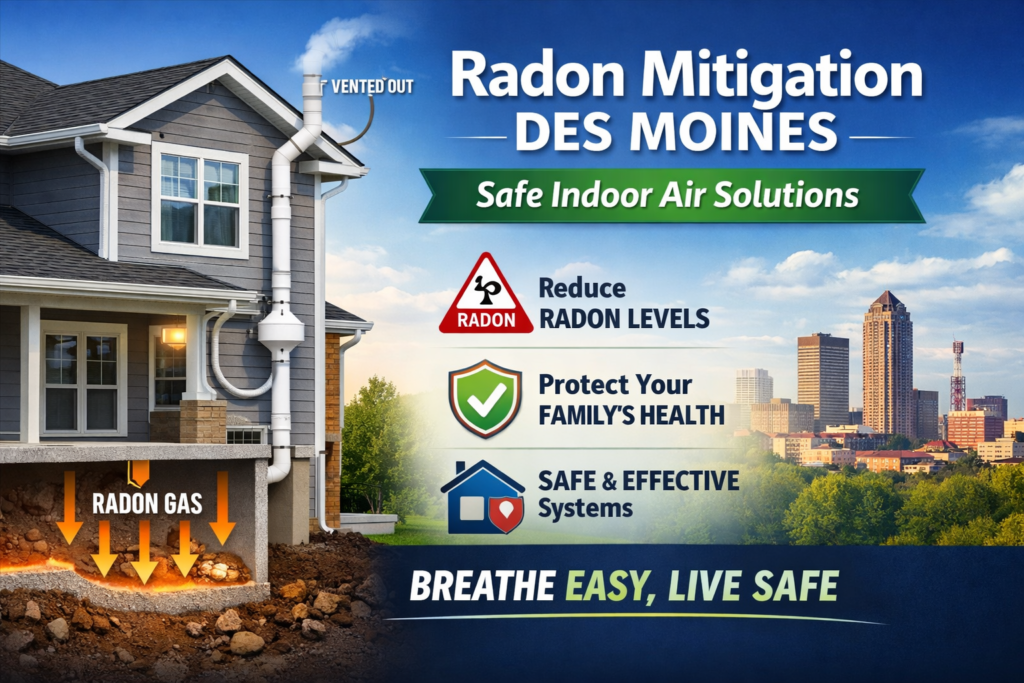
Radon remains an unseen health threat in many homes, schools, and commercial buildings. Luckily, professional radon mitigation Des Moines services can protect your indoor environment. Because radon gas has no odor and no visible signs, it often goes unnoticed until it reaches unsafe levels. Yet, even low concentrations can harm your health over time. Thankfully, […]
Radon Levels in Home: Detection to Reduction
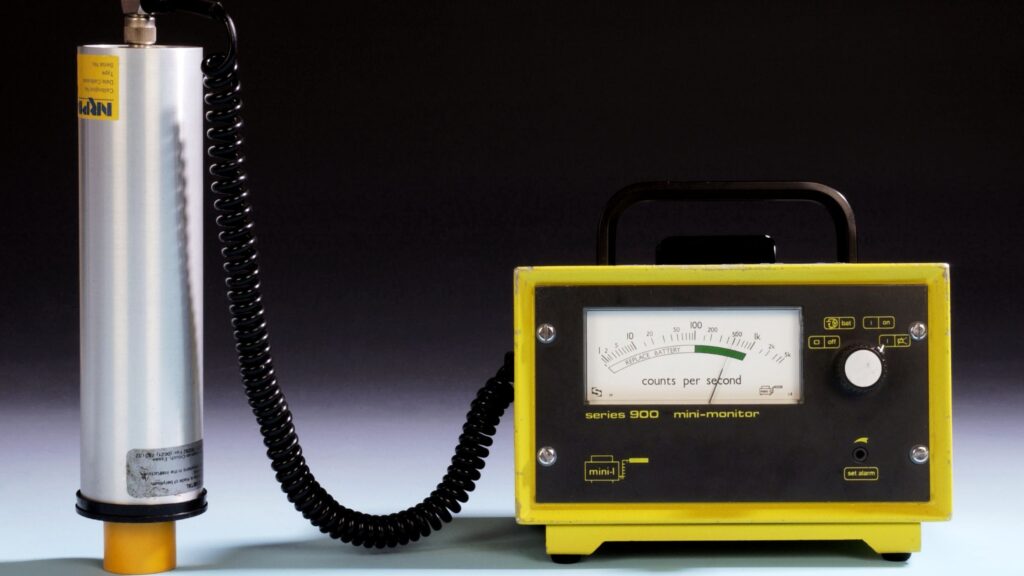
Radon is a colorless, odorless, radioactive gas that naturally occurs from the breakdown of uranium in soil and rocks beneath the ground. Because you cannot detect it with your senses, radon can quietly build up indoors, and often, homeowners do not know radon levels in home until they measure it. This invisible gas is not […]
Radon Mitigation Installation for Safer Air
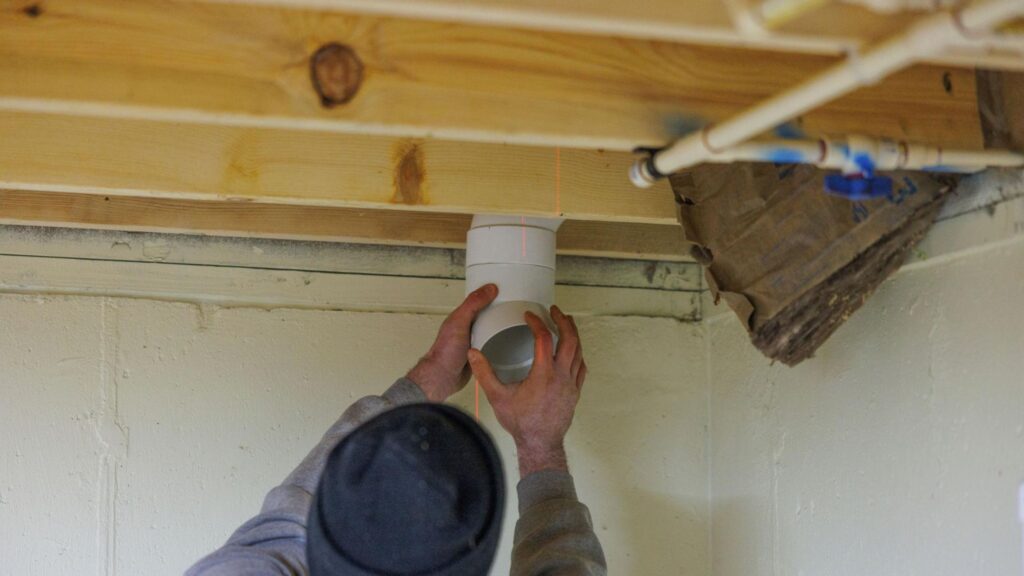
Radon is an invisible and odorless radioactive gas that enters buildings through tiny cracks in foundations and soil gaps. Although you cannot detect it with your senses, prolonged exposure to elevated radon levels significantly increases health risks, including lung cancer. Because of this, radon mitigation installation remains the most reliable way to reduce indoor radon […]
Radon Zone Map 1993: Make Safer Choices
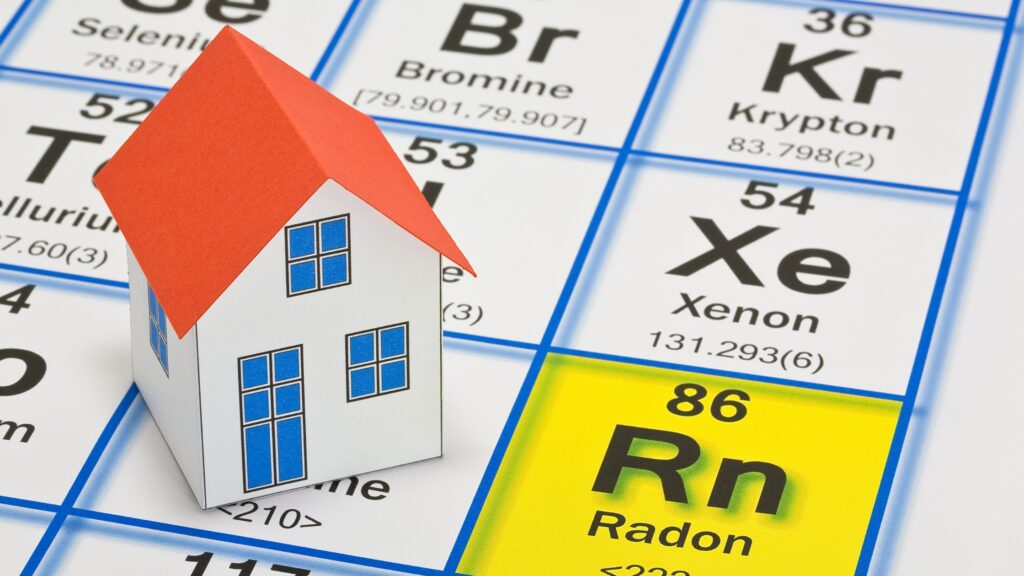
Radon can feel hard to understand because you can’t see it, smell it, or taste it. Therefore, many homeowners search for a fast, reliable starting point. The radon zone map 1993 offers that first direction by placing every U.S. county into a risk group based on expected indoor radon potential. However, you must read the […]
Radon Considerations for Urban Planning: Build Safer Cities

Cities grow fast, and they also stack more people closer to the ground, where soil gases move through tiny cracks and seams. Therefore, radon considerations for urban planning should live inside everyday planning decisions, not inside a late-stage checklist that teams remember only after complaints or failed inspections. Moreover, radon stays invisible and odorless, so […]
Radon in Schools of Iowa: Testing and Compliance

Schools should feel safe every day. However, indoor air risks can go unnoticed without regular testing. Radon is one of those risks because it forms naturally, stays invisible, and can build up indoors. Therefore, Iowa set clear rules for testing, documenting, and taking action. This guide explains radon in schools Iowa testing law in simple […]
Cost of Ignoring Radon Exposure: The Hidden Indoor Risk
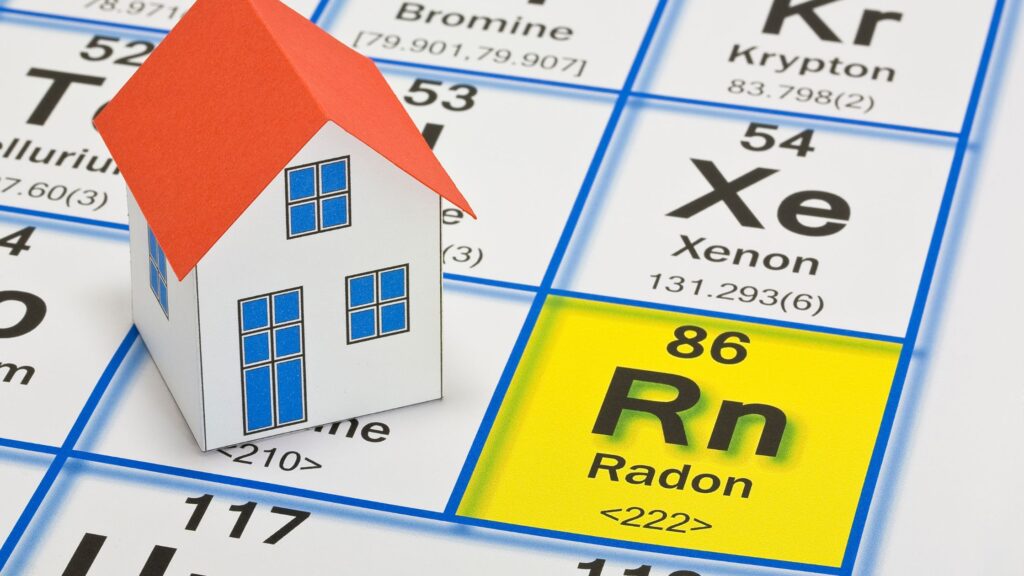
You cannot see radon, and you cannot smell it. However, radon exposure can still build quietly in indoor air and reshape your long-term risk. Therefore, the cost of ignoring radon exposure rarely shows up as one dramatic moment. Instead, it grows through delayed action, repeated uncertainty, and preventable harm. Moreover, radon exposure affects homes, workplaces, […]
Economic Cost of Radon Exposure: A Guide for Iowa

The economic cost of radon exposure in Iowa grows quietly in basements, schools, and workplaces. Iowa’s radon survey found that 71.6% of tested homes exceeded the EPA action level of 4 pCi/L. Therefore, many families carry risk before they even suspect a problem. In this guide, you will learn where costs actually come from, how […]