
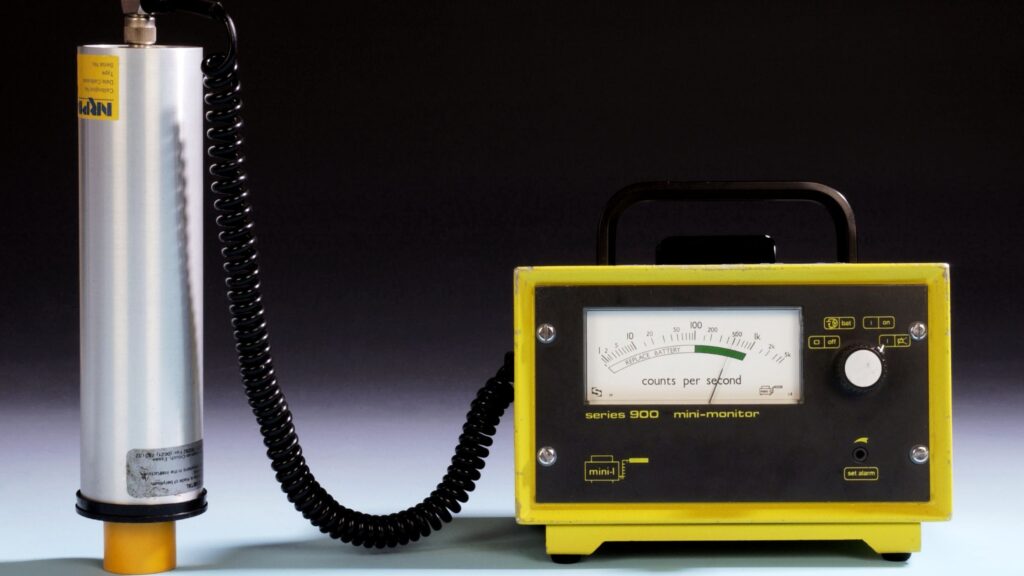
Radon is a hazardous, naturally occurring gas that can accumulate in your home, particularly in spaces like basements or crawl spaces. It is undetectable by sight, smell, or taste, which makes it a hidden threat. Radon can enter your home through cracks in the foundation, walls, or floors, making it a widespread concern for homeowners. Long-term exposure to high radon levels is linked to an increased risk of lung cancer, so homeowners need to understand how to address it. A common question is whether a dehumidifier can reduce radon levels. This guide will clarify this, explain the connection between radon and humidity, and offer effective radon mitigation solutions.
What is Radon and Why is it Dangerous?
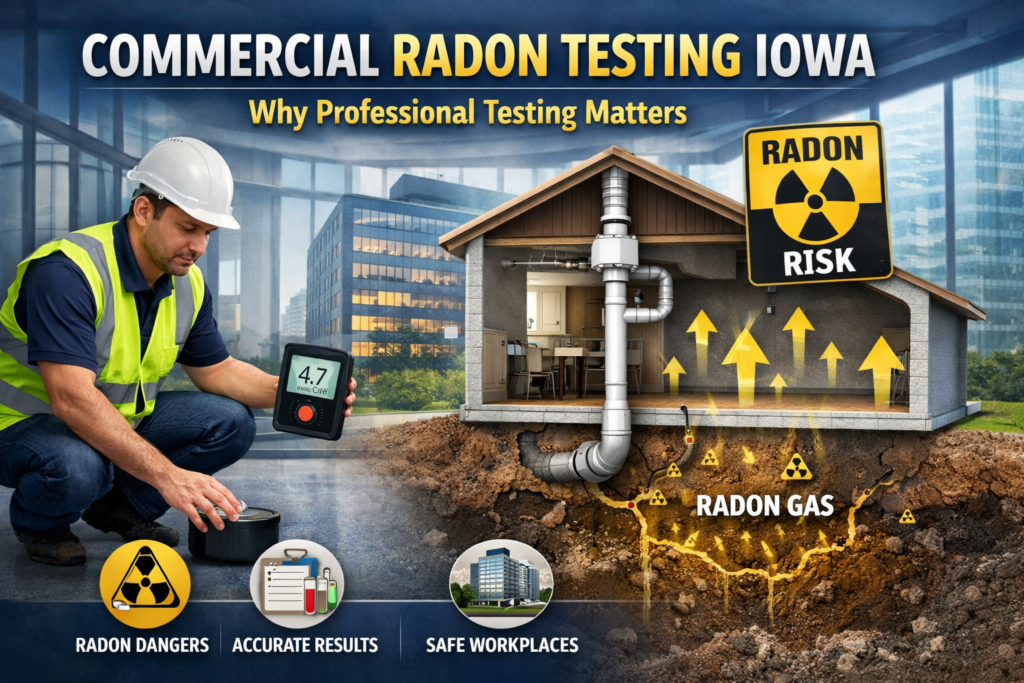
Radon is a radioactive gas produced when uranium in soil, rock, and water breaks down. It enters homes through foundation cracks and walls, typically accumulating in lower areas like basements. Here are some important facts about radon:
- Invisible and odorless: Radon cannot be detected by the human senses, making testing essential.
- Health risks: Prolonged exposure to elevated radon levels can significantly raise the risk of lung cancer, making radon the second leading cause of lung cancer after smoking.
- Found in most homes: Radon is present in many homes, with varying concentrations depending on geographical location and building conditions.
Given that radon is invisible and odorless, regular testing and proper mitigation are crucial to ensure your safety. Prolonged exposure can be detrimental to your health, so taking action is important.
How Dehumidifiers Work and Their Role in Indoor Air Quality
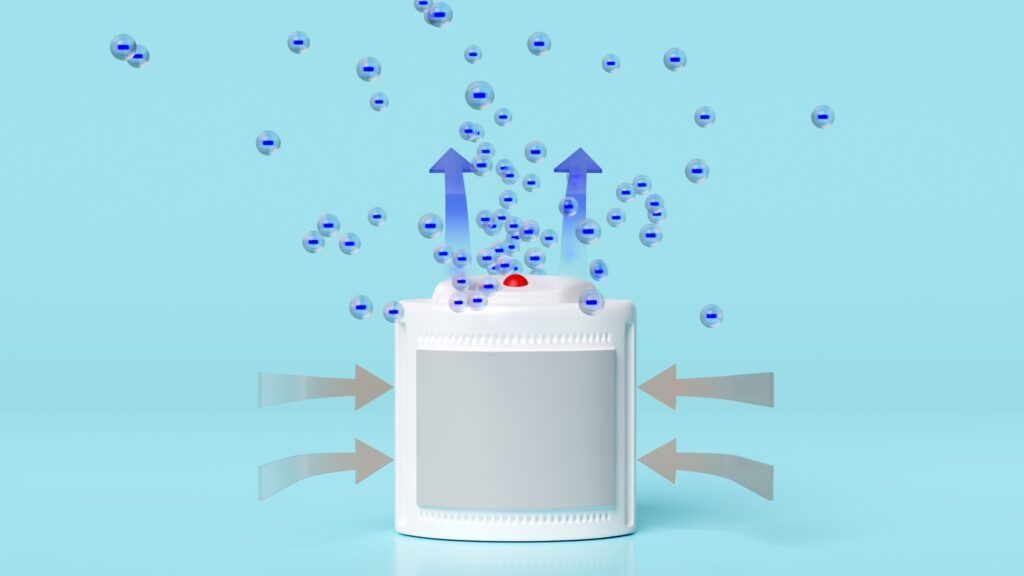
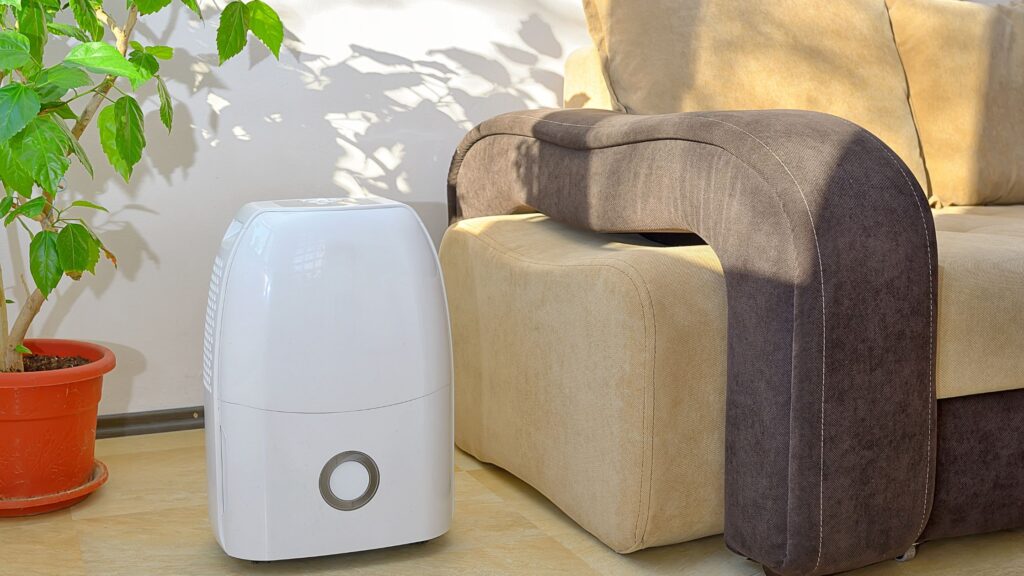
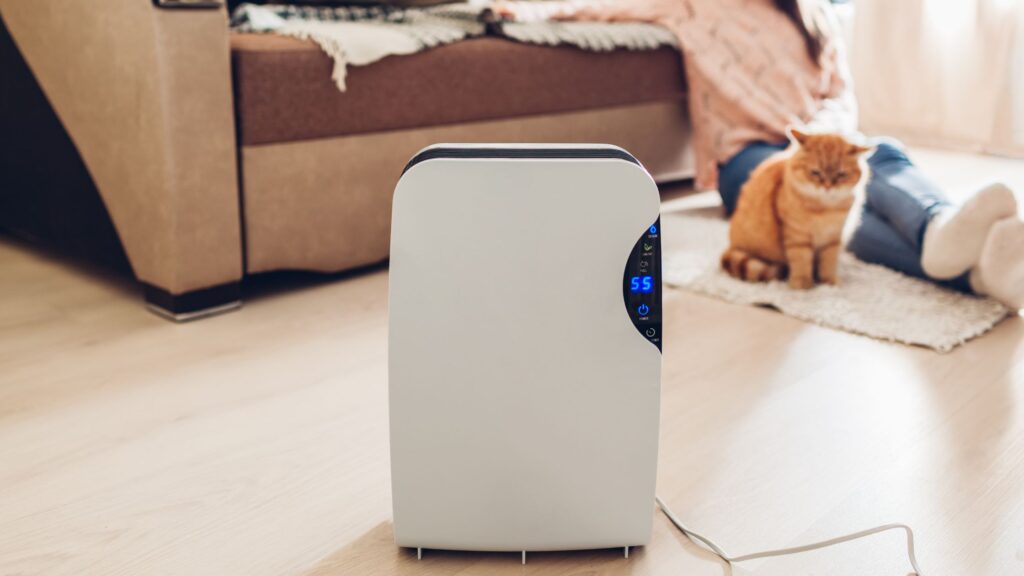
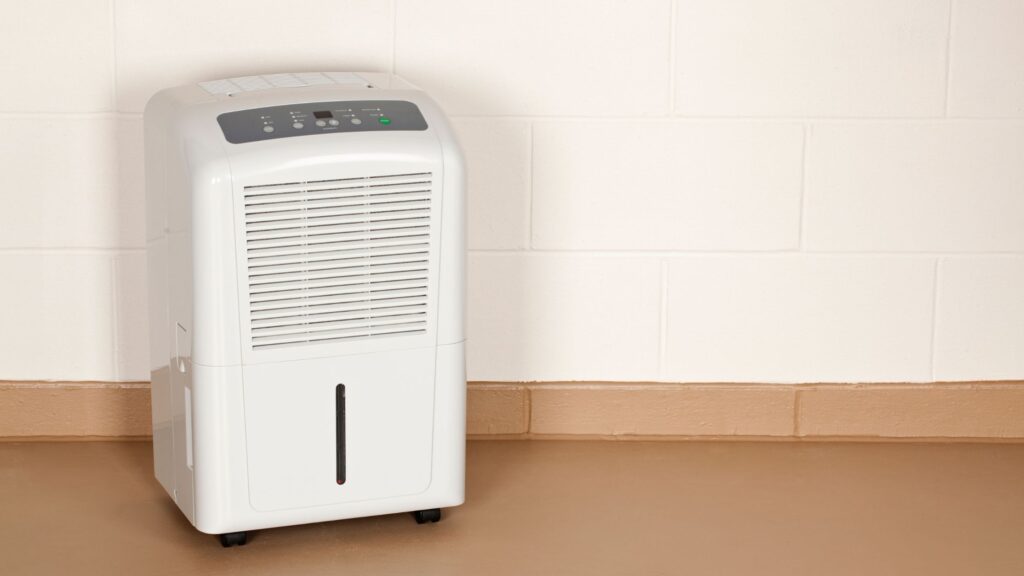
Dehumidifiers are widely used to decrease moisture levels in the air, particularly in damp areas like basements, bathrooms, and laundry rooms. They function by drawing in humid air, extracting the moisture, and releasing dry air back into the environment. Here’s how they work:
A) Humidity Control
Dehumidifiers regulate indoor humidity, preventing excess moisture that can lead to mold, mildew, and allergens, improving overall air quality and health. Maintaining balanced humidity levels also reduces the strain on HVAC systems and keeps the indoor environment comfortable.
B) Improved Comfort
By reducing moisture in the air, dehumidifiers create a cooler, more comfortable environment, especially in humid weather, leading to better sleep and overall comfort. This makes your living spaces feel more inviting and enhances the overall quality of life.
C) Prevention of Moisture-Related Issues
Dehumidifiers help protect your home’s structure by reducing moisture in walls and floors, preventing damage such as mold, rust, and peeling paint. This extends the lifespan of your furniture and fixtures while preserving the integrity of your home’s foundation.
Although dehumidifiers help create a more comfortable, healthier environment, they do not affect radon levels.
Why Dehumidifiers Cannot Reduce Radon Levels
While dehumidifiers help control humidity and improve indoor air quality, they cannot reduce radon levels. Here’s why:
- Radon’s Source: Radon originates from beneath the home, influenced by pressure differences. A dehumidifier does not impact this process.
- Humidity isn’t the Issue: Radon’s movement is unaffected by moisture levels. Lowering humidity does not reduce radon concentrations.
- Air Circulation Changes: Using a dehumidifier during radon testing can alter air circulation and affect the test results, skewing the distribution of radon in your home.
To protect your health, radon mitigation systems and professional testing are essential to lower radon levels.
The Importance of Professional Radon Mitigation
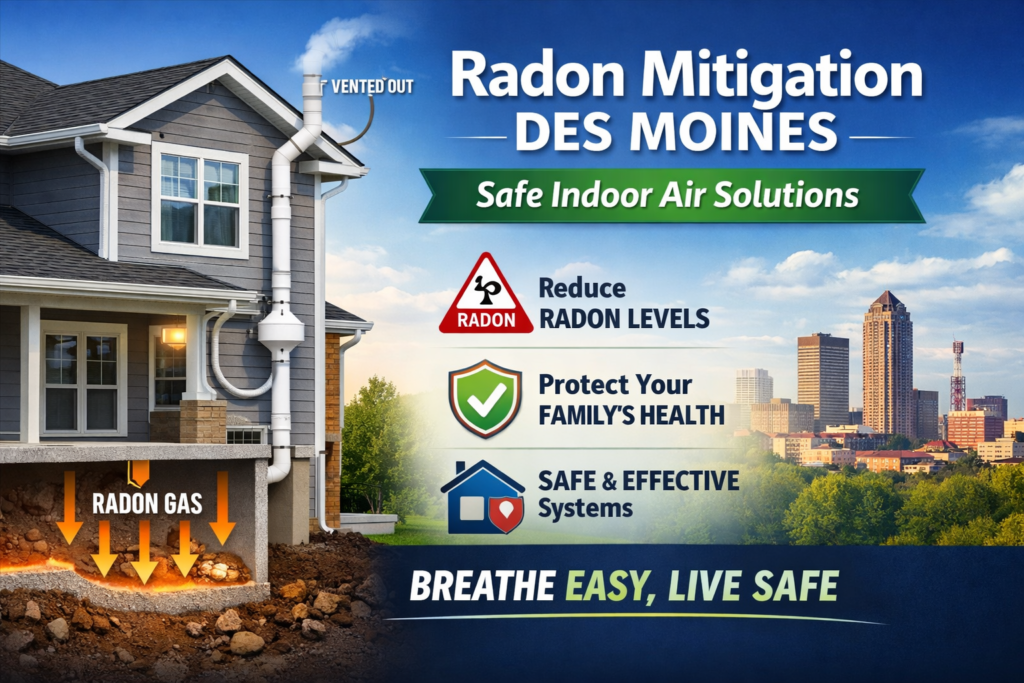
To effectively lower radon levels, a professional mitigation system is required. These systems target the root cause of radon accumulation and help redirect the gas outside. Some of the most effective radon mitigation methods include:
- Active Soil Depressurization (ASD): A method that uses a vent pipe and fan to remove radon from beneath the home, reducing levels by over 90%.
- Sub-Slab Depressurization: Used in basement homes, this method depressurizes the area under the foundation to stop radon from entering the living space.
- Crawl Space Ventilation: For homes with crawl spaces, this method improves air circulation to lower radon levels.
These mitigation methods are essential for effectively reducing radon levels and safeguarding your home and health. Professional installation of these systems is crucial to ensure the best results. Learn more about Are Air Purifiers Effective Against Radon?
Conclusion
Can a dehumidifier lower radon levels? The answer is no. While dehumidifiers help control moisture and improve air quality, they do not reduce radon concentrations in your home. Radon is a dangerous gas that needs to be dealt with through professional mitigation systems.
To ensure your home is safe from radon, it is essential to have regular testing and consider installing a radon mitigation system, such as active soil depressurization, to safely reduce its presence. Protect your home and family by visiting DSM Radon for expert services.
FAQs
1. Can a dehumidifier reduce radon levels?
No, dehumidifiers do not affect radon levels. They only control humidity, which does not influence radon gas concentrations.
2. Does low humidity reduce radon levels?
No, humidity has no impact on radon levels. Radon is independent of moisture in the air and requires a different mitigation method.
3. What’s the best way to lower radon in my home?
The most effective approach to reduce radon is to install a radon mitigation system, such as active soil depressurization, which removes radon from your home’s air.
4. How often should I test for radon in my home?
Test for radon every two years or after any changes to your home’s structure. If you’ve never tested, it’s recommended to do so right away, particularly in areas with high radon levels.