

Indoor air quality can shift even when you change nothing inside your home. Iowa already faces high radon potential, and climate-driven weather patterns can add more variability to how radon moves through soil and into buildings. Therefore, understanding the climate change impact on radon levels in Iowa helps homeowners and facility teams plan consistent testing, interpret results with context, and take action when numbers rise. Ultimately, a repeatable radon plan keeps decisions calm, clear, and evidence-based year-round.

What Radon Is And Why Iowa Remains High Risk
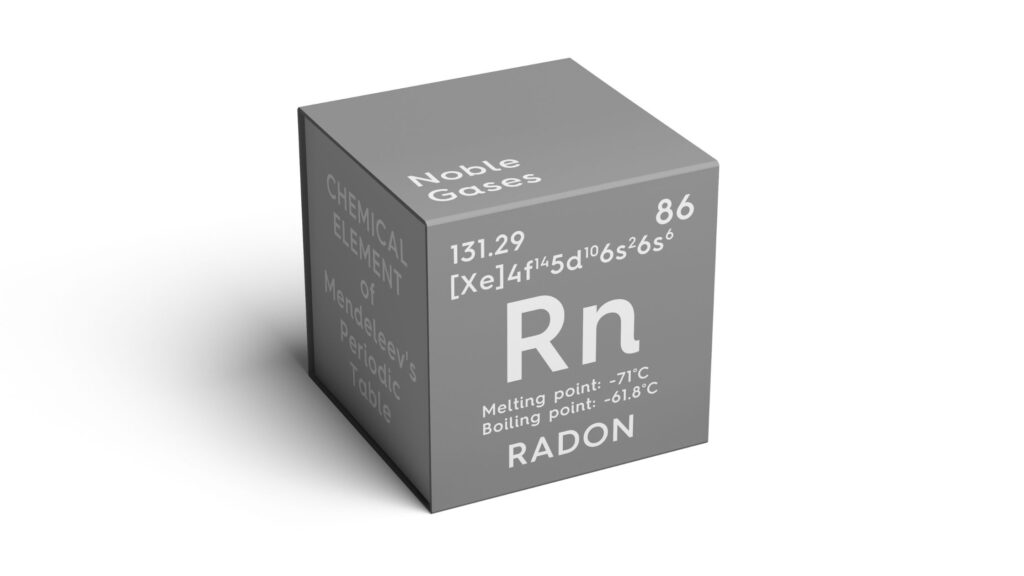
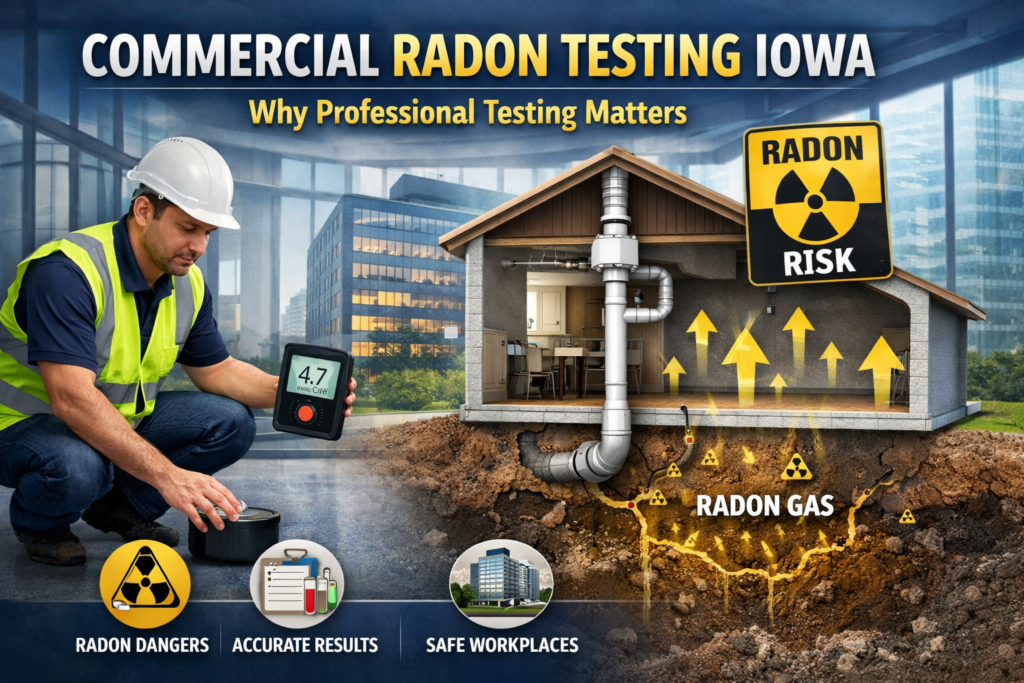
Radon is a naturally occurring gas released when uranium breaks down in soil and rock. It enters buildings through foundation cracks, joints, sump pits, and utility penetrations. Moreover, radon stays invisible and odorless, so testing gives you the only dependable proof of exposure. Consequently, long-term exposure can build quietly when testing does not happen on a consistent schedule.
Iowa’s soil conditions and widespread basement construction increase radon entry potential. Therefore, homes across the state benefit from repeat testing and a clear action plan, especially when weather patterns become more extreme and less predictable.
Climate Change & Radon Indoors Movement
Climate change does not create radon, yet it can intensify the forces that move and trap it indoors. Therefore, unstable weather can cause sharper, more frequent radon swings in daily indoor conditions. The factors below explain why these shifts matter in day-to-day indoor conditions:
1) Pressure Swings Can Increase Soil Gas Entry
Barometric pressure changes influence how strongly a building pulls air from the soil. Moreover, storms and high winds can intensify pressure differences between indoor and outdoor environments. As a result, radon can move upward from the soil and enter basements and lower levels more aggressively during unstable weather.
2) Heavy Rainfall And Flooding Can Redirect Radon Pathways
Rain alters soil moisture levels, which can change how gases move underground. Additionally, saturated soil can push radon toward foundation openings instead of allowing it to disperse naturally. Consequently, prolonged wet periods can lead to higher indoor readings, especially in homes with sump systems, lower-grade foundations, or drainage challenges.
3) Freeze-Thaw Cycles Can Expand Entry Points
Cold weather often raises radon exposure because homes stay sealed and ventilation drops. Furthermore, repeated freeze-thaw cycles stress foundation materials, allowing small cracks and joints to widen gradually. Therefore, radon can enter more easily over time, even when the structure looks unchanged.
4) Hotter Summers Can Increase Sealing And Air Recirculation
Hotter summers encourage closed windows and longer HVAC operation. Meanwhile, energy-efficiency upgrades can reduce natural air exchange when teams skip radon-aware planning. As a result, radon can accumulate more easily when indoor air recirculates without enough fresh replacement, especially in basements and lower levels.
Therefore, weather and seasonal shifts can change indoor radon levels, so test across seasons and retest after major storms or home upgrades to rely on current readings.
What Climate Variability Means For Radon Testing In Iowa
Because radon responds to environmental and structural conditions, testing works best as a system rather than a one-time task. Moreover, consistent testing reduces confusion when weather patterns shift quickly.
A) Test on a schedule: Test regularly because seasons and home changes can shift radon. Retest after renovations, repairs, HVAC swaps, or major sealing.
B) Use clear thresholds: Treat 4 pCi/L or higher (long-term) as the action point. Track upward trends below 4 because they can signal changing conditions.
C) Match the test to the decision: Use short-term tests for quick screening and long-term tests for true averages. The right test reduces confusion from seasonal swings.
Therefore, when you test on schedule, follow clear thresholds, and choose the right test type, you turn radon decisions into a simple, repeatable process that protects indoor air with confidence.

Practical Ways To Reduce Risk As Weather Becomes Less Predictable
You cannot control climate shifts, yet you can control how you respond. Therefore, combining maintenance, testing discipline, and mitigation creates a stable and repeatable plan.
- Seal entry points, but don’t rely on sealing alone: Seal cracks and penetrations to reduce routes, yet confirmed high readings still need testing and mitigation.
- Manage moisture and drainage: Keep gutters, grading, and downspouts working so water flows away, and radon behavior stays more stable.
- Use mitigation if levels stay high: A designed mitigation system controls under-slab pressure and keeps indoor radon steadier across seasons.
Therefore, when you combine targeted sealing, strong drainage control, and proven mitigation, you keep radon levels more stable and your indoor air decisions more dependable year-round.
Why Local Experience Matters In Iowa
Radon behavior depends on soil conditions, foundation pathways, HVAC pressure, and seasonal patterns. Consequently, solutions work best when they reflect local construction styles and regional weather shifts rather than generic assumptions.
Additionally, homes in the same area can test differently because foundations and sealing vary. Moreover, HVAC and efficiency upgrades can change pressure and radon entry. Therefore, test with a plan, document conditions, and compare across seasons, so mitigation matches the building and local weather, not guesswork. Learn more about Radon Re-Entry in Iowa Homes.
Conclusion
The climate change impact on radon levels in Iowa can show up through pressure fluctuations, heavier precipitation, tighter indoor environments, and stronger seasonal extremes. Therefore, homeowners and building managers should respond with consistent testing, informed interpretation, and mitigation when results remain high. DSM Radon provides professional radon testing and mitigation services across the Des Moines area.

FAQs
1) Can Climate Change Actually Increase Indoor Radon Levels?
Yes. Climate-driven shifts in pressure, moisture, and temperature patterns can influence how radon enters and accumulates indoors.
2) Does Rain Or Flooding Affect Radon Readings?
Yes. Heavy rainfall can change soil gas movement and push radon toward foundation entry points, which can raise indoor readings.
3) Should I Retest After Home Energy Upgrades?
Yes. Air sealing, insulation, windows, and HVAC changes can alter airflow and pressure, so retesting helps confirm indoor stability.
4) Is Mitigation Still Effective With Changing Weather?
Yes. A properly installed mitigation system stabilizes radon levels and supports consistent reduction across seasonal and weather-driven variability.