

Radon exposure is a significant concern in Iowa, where radon levels are among the highest in the United States. This odorless, colorless gas seeps into homes from the soil and can lead to severe health problems, particularly lung cancer. The EPA has set an action level of 4 picocuries per liter pCi/L for radon in indoor air, and many homes in Iowa exceed this level. For low-income families, however, access to radon mitigation can be a significant barrier due to the high cost of testing and mitigation services. In this article, we will explore the challenges that low-income households face when dealing with radon exposure and how organizations are working to improve access to radon mitigation solutions.
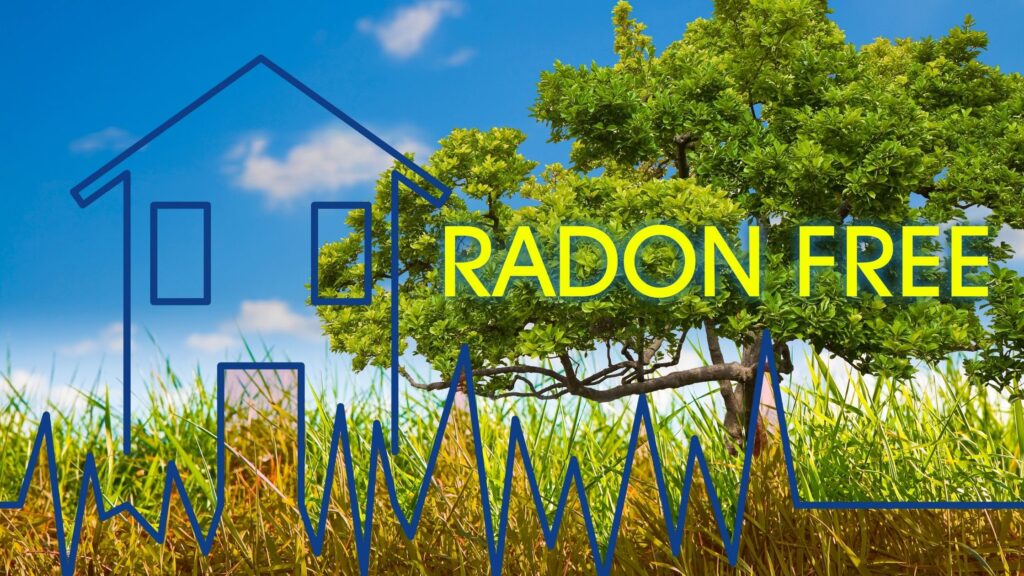
Understanding the Radon Risk in Iowa Homes
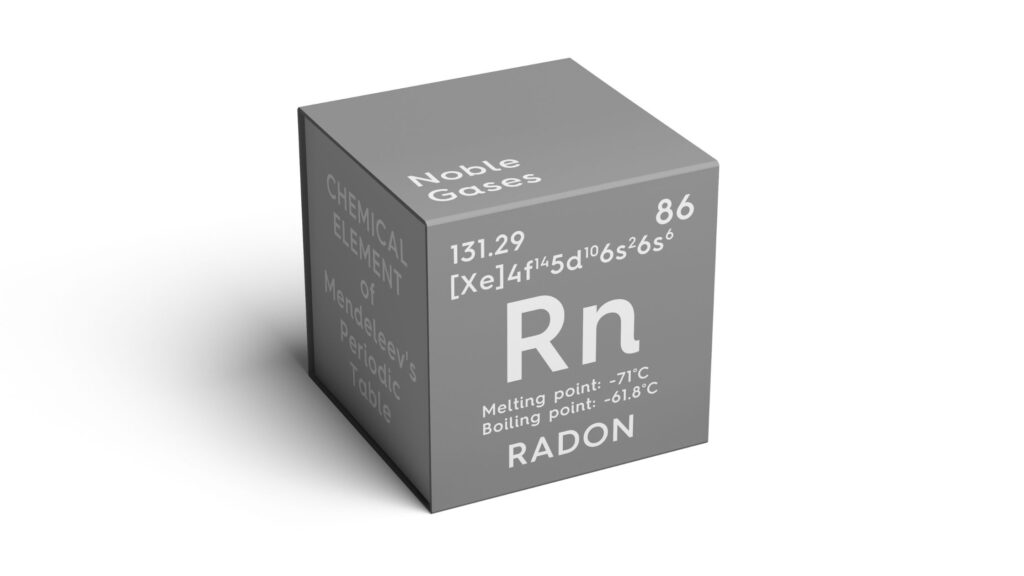
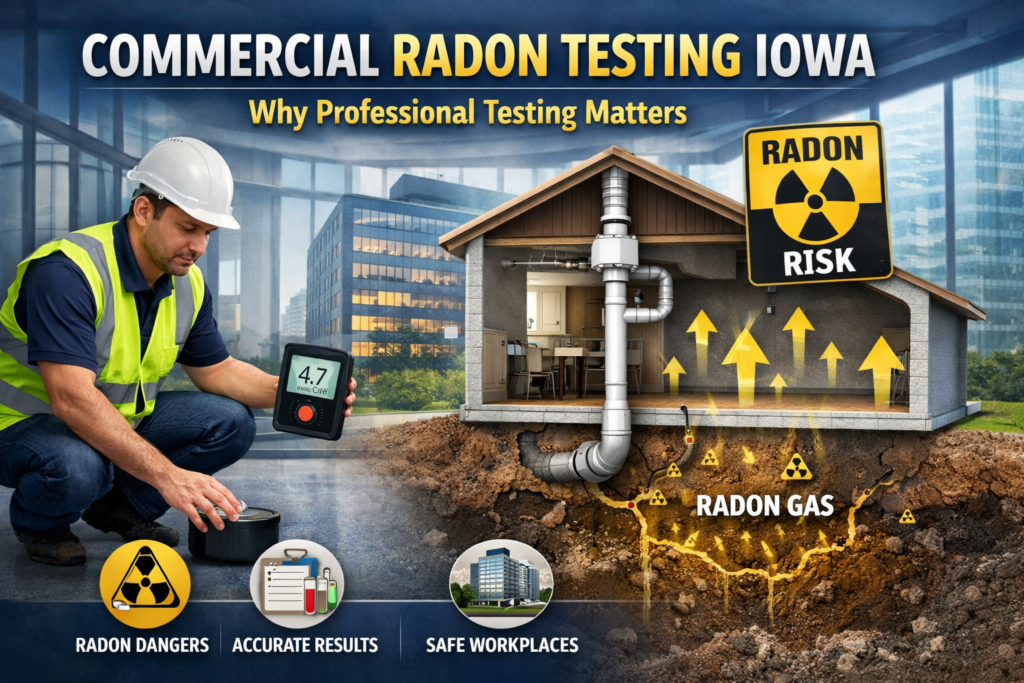
Radon is a colorless, odorless, and tasteless radioactive gas that originates from the natural breakdown of uranium in the soil. It’s a significant concern in Iowa, where the gas seeps into homes through cracks in foundations, walls, and floors. Prolonged exposure to elevated radon levels is a leading cause of lung cancer, particularly in non-smokers. The danger of radon exposure is compounded by its invisibility, making it essential for Iowa homeowners to conduct radon testing and take necessary mitigation steps to ensure a safe living environment. With the highest radon levels in the United States, Iowa homes are at particular risk. Understanding radon and taking action is vital to protecting the health and safety of your family.
Radon Mitigation: Process and Importance
Radon mitigation is the process of reducing radon gas levels in a home to ensure the safety of its occupants.
- Radon Testing: Testing identifies radon levels in your home, making it the first step in mitigation. Regular testing is essential, especially in high-risk areas.
- Active Soil Depressurization: ASD is the most common method, drawing radon from beneath the home and venting it outside, effectively reducing indoor levels.
- Sealing Cracks and Openings: Sealing foundation cracks and gaps prevents radon from entering, enhancing the effectiveness of mitigation systems.
- Continuous Monitoring: Ongoing monitoring ensures that the mitigation system continues to work effectively, maintaining safe radon levels.
These mitigation is a key step in protecting your family’s health by ensuring a radon-free living space.
Barriers to Radon Mitigation Access in Low-Income Iowa Homes
Radon mitigation is essential to protect families from the health risks associated with radon exposure. However, several barriers prevent low-income households in Iowa from accessing these necessary services.
A) High Upfront Costs
Radon mitigation systems can cost between $900 and $1,400, making it unaffordable for many low-income families. The initial investment is a major barrier, preventing many from addressing radon exposure in their homes.
B) Lack of Awareness
Many low-income homeowners are unaware of the risks of radon exposure or the importance of mitigation. Without education and outreach, these families may not seek testing or mitigation, leaving them vulnerable to health risks.
C) Limited Access to Financial Assistance
While there are programs that provide financial aid, many low-income families are unaware of their availability. These programs often have complex application processes, which can discourage families from applying for assistance.
D) Difficulty Finding Certified Professionals
Not all radon mitigation professionals are certified, and low-income families may struggle to find qualified experts in their area. This makes it difficult for them to access trustworthy services at an affordable price.
Radon mitigation is crucial for the health and safety of Iowa families, but several factors hinder access for low-income households. Addressing these barriers through education, financial aid, and better access to certified professionals can help ensure all families can protect themselves from radon exposure.
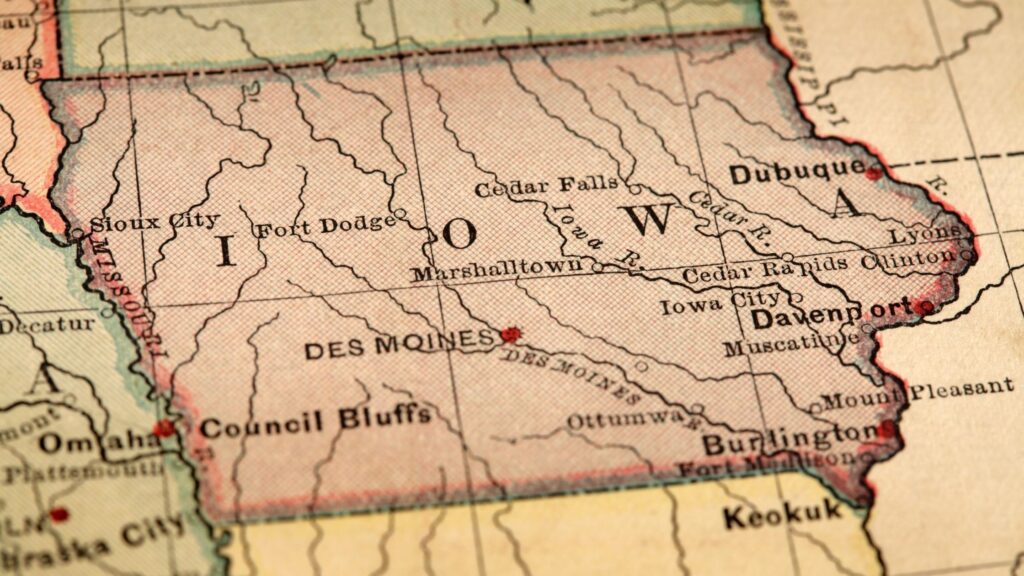
How Low-Income Homeowners Can Access Radon: Solutions
Low-income homeowners often face challenges in accessing radon mitigation services, but there are steps they can take to make it more affordable and accessible.
- Contact Local Health Departments: Many health departments offer free or low-cost radon test kits for qualifying families, providing an affordable first step.
- Seek Financial Assistance: State and federal programs, like tax credits and grants, can help cover radon mitigation costs, easing the financial burden.
- Partner with Certified Mitigation Professionals: Certified professionals can offer expert guidance and possible discounts, ensuring effective and affordable mitigation.
- Explore Community Resources: Local nonprofits and programs may provide radon testing and mitigation help, especially in high-risk areas.
Taking these actionable steps can help low-income homeowners improve access to radon mitigation, ensuring their homes remain safe and healthy. Learn more about Radon Re-Entry in Iowa Homes.
The Role of Government and Nonprofits in Radon Mitigation
Government and nonprofit organizations are crucial in improving access to radon mitigation for low-income families by providing financial support, resources, and awareness.
i. Government Support for Radon Mitigation
Government programs like Iowa’s Radon-Free Homes Initiative offer tax credits and grants to assist with radon mitigation costs. Federal programs like the Weatherization Assistance Program also include radon mitigation, making it more affordable for low-income families.
ii. Nonprofit Organizations Providing Radon Solutions
Nonprofits, in partnership with local health departments, help raise awareness and provide free or discounted radon services. Organizations like the American Lung Association ensure that families can access affordable radon testing and mitigation.
The collaboration of government and nonprofits helps ensure more families can protect themselves from the dangers of radon exposure, promoting safer living environments.
Conclusion
Radon mitigation is crucial for the health and safety of all Iowa residents, but access to radon mitigation in low-income Iowa homes remains a significant challenge. Through the combined efforts of local programs, government support, and radon professionals, more families are gaining access to affordable radon testing and mitigation services. Low-income households need to take action and protect their homes from radon exposure. For homeowners in Iowa, finding the right resources and support for radon mitigation can make all the difference in ensuring a safer, healthier home environment. For expert guidance and mitigation solutions, visit DSM Radon.