
Radon Mitigation System Inspection: Complete Guide
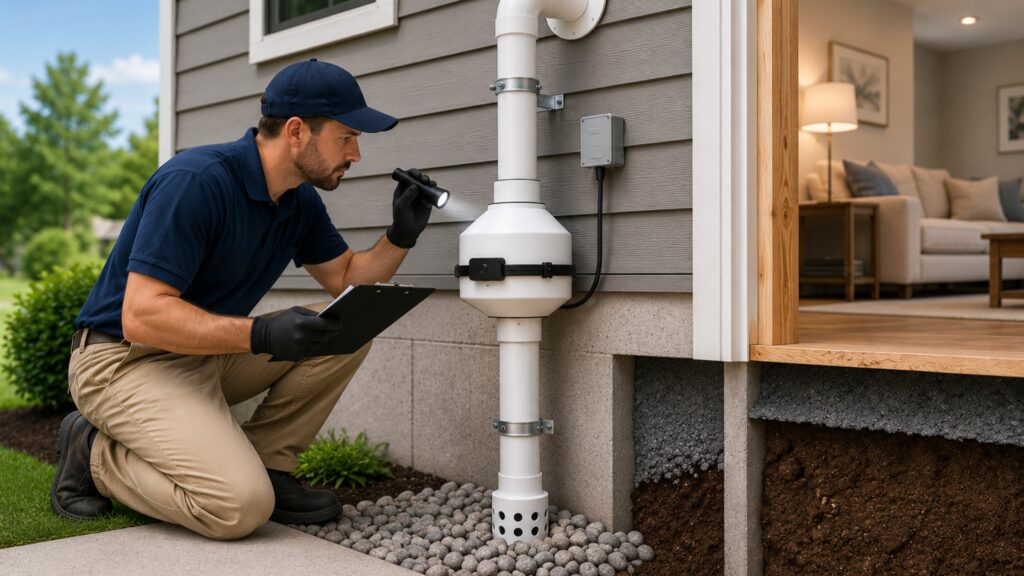
A radon mitigation system inspection is a structured evaluation of every component in your installed radon reduction system — not a radon test and not a new installation assessment. A certified inspector verifies that your system is actively depressurizing the sub-slab air, moving it safely out of the home, and keeping indoor radon levels below […]
Radon Mitigation System Maintenance Checklist

Radon mitigation system maintenance requires monthly pressure checks, annual seal inspections, and radon retesting every two years. Without these steps, a failing sub-slab depressurization system can allow radon to silently climb back above the EPA’s action level of 4 pCi/L — with no odor, color, or warning sign to alert you. Why Radon Mitigation System […]
Radon Testing for Apartments: A Renter’s Guide
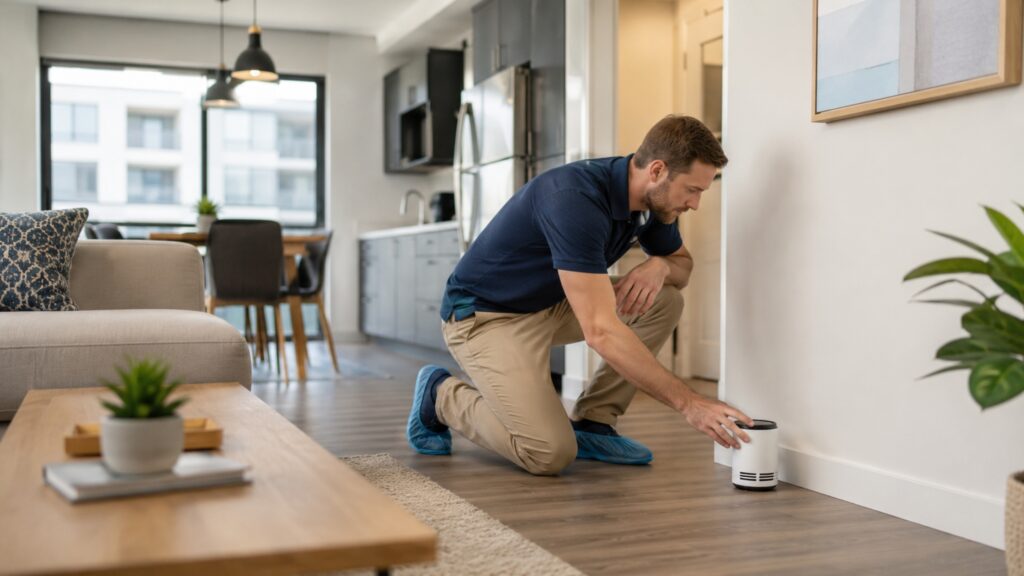
Radon is a genuine health risk in apartments, not just single-family homes. The U.S. Environmental Protection Agency (EPA) and the Surgeon General recommend that every residence below the third floor be tested for radon. If you live in a ground-floor or basement-level unit, testing is one of the most important steps you can take to […]
Radon Mitigation Des Moines Iowa: 2026 Guide
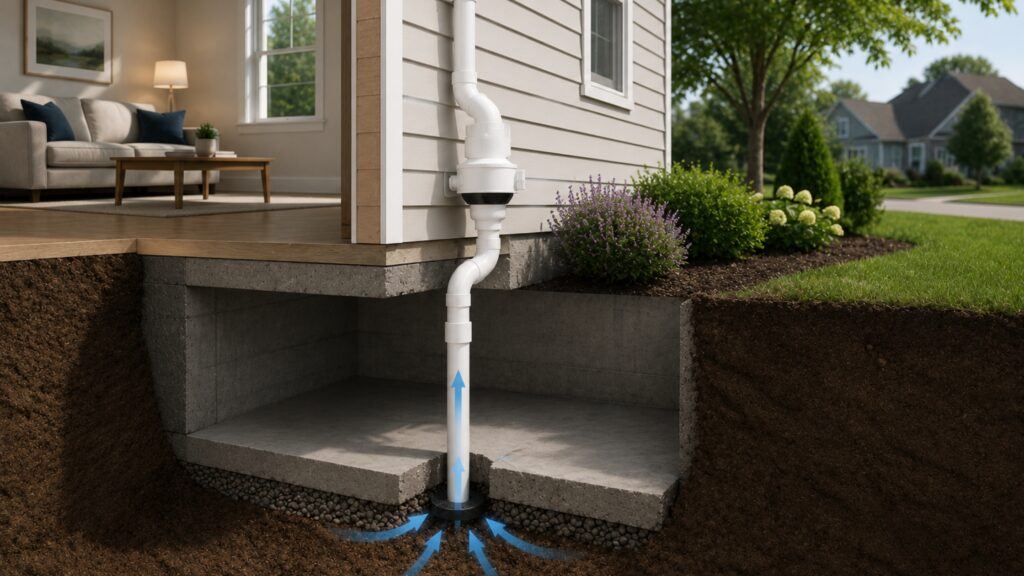
Radon mitigation in Des Moines, Iowa typically costs between $800 and $2,500 and involves installing a sub-slab depressurization system that vents radon gas safely outside your home. Polk County sits in EPA Zone 1 — the highest-risk radon classification — making professional mitigation a serious priority for most Des Moines homeowners with test results at […]
Home Air Purification Systems: Which Type Is Right?
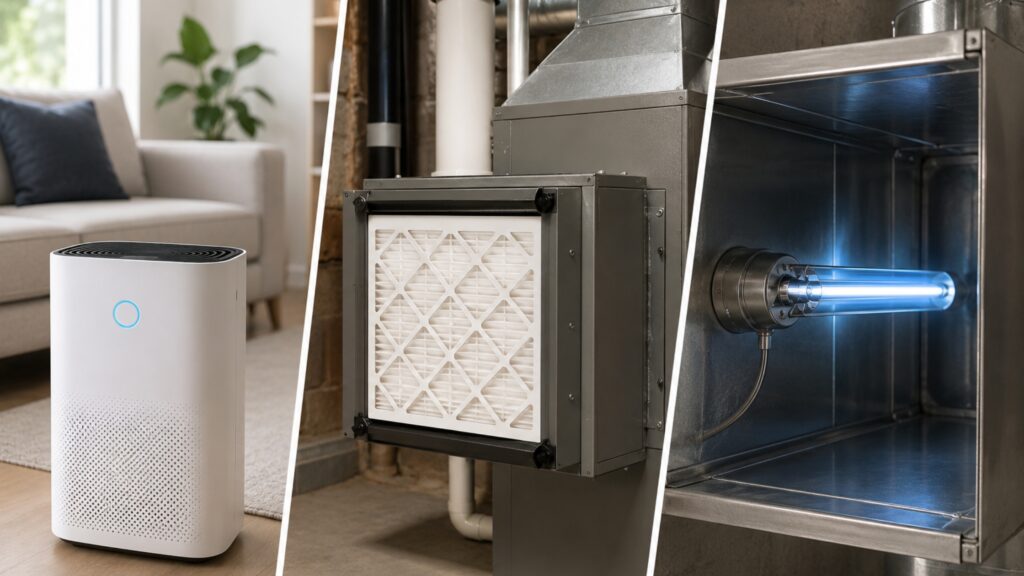
Choosing the right air purification system for your home depends on three factors: your home’s size, your primary air quality concern, and whether you rent or own. Portable units handle single rooms effectively, whole-home HVAC-integrated systems cover every square foot, and in-duct UV purifiers target pathogens at the source. Matching the system type to your […]
Weather Effects on Radon: Essential Home Safety Guide
Radon levels can rise without warning because weather changes the pressure around your home and affects how soil gas moves indoors. Weather Effects on Radon matter because this invisible gas can enter through foundation cracks, crawlspaces, sump openings, and basement gaps before spreading into lower living areas. Therefore, homeowners should understand how temperature shifts, storms, […]
Commercial Radon Testing Iowa: Why Professional Testing Matters
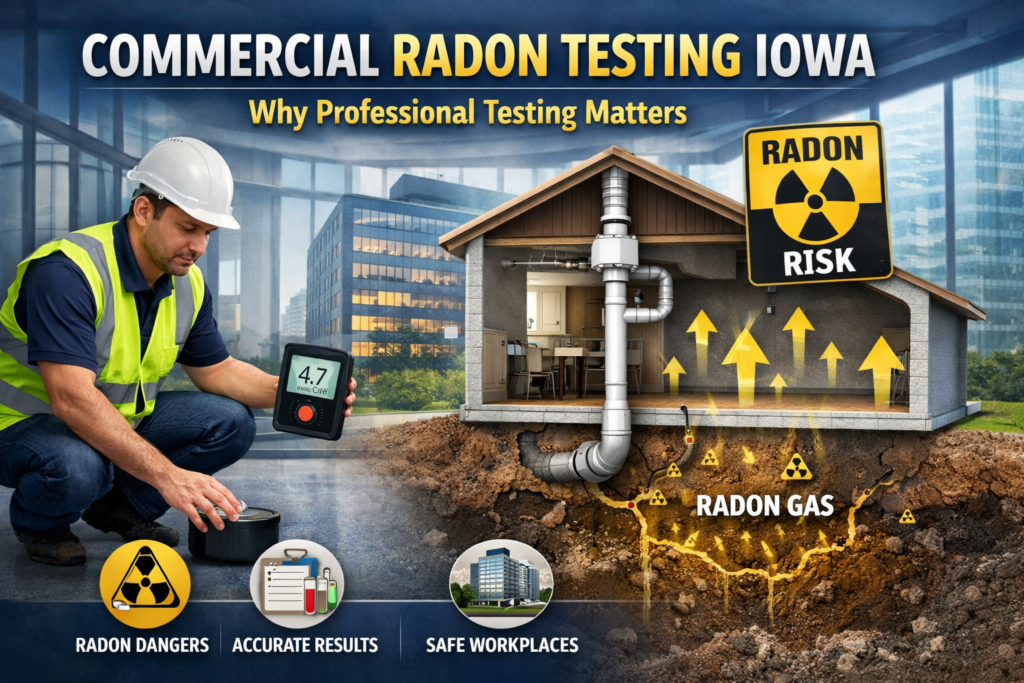
Commercial buildings in Iowa face a unique challenge that many property managers overlook: radon gas exposure. Because radon is invisible, odorless, and undetectable without specialized equipment, it remains a silent threat in many offices, schools, multi-family units, and other large structures. Fortunately, commercial radon testing Iowa services conducted by certified experts reveal dangerous levels and […]
At Home Radon Testing Ankeny: A Complete Guide for Safer Air
Radon gas poses a hidden threat in many Iowa homes, and at-home radon testing Ankeny gives you a straightforward way to understand your indoor air quality. Because radon is invisible, odorless, and dangerous to long-term health, testing your home for this gas should be a priority. Moreover, regular home radon testing helps ensure that your […]
Radon Zone Map 1993: Make Safer Choices
Radon can feel hard to understand because you can’t see it, smell it, or taste it. Therefore, many homeowners search for a fast, reliable starting point. The radon zone map 1993 offers that first direction by placing every U.S. county into a risk group based on expected indoor radon potential. However, you must read the […]
Radon in Schools of Iowa: Testing and Compliance

Schools should feel safe every day. However, indoor air risks can go unnoticed without regular testing. Radon is one of those risks because it forms naturally, stays invisible, and can build up indoors. Therefore, Iowa set clear rules for testing, documenting, and taking action. This guide explains radon in schools Iowa testing law in simple […]